

Quick Summary
Food packaging fails not because of poor quality, but because of material–food mismatch. This guide shows how CPET, PP, PET, RPET, and bagasse perform under real food conditions—heat, oil, moisture, and delivery stress—so brands can choose packaging that actually works.
Choosing food packaging is no longer just about cost or appearance. As food consumption shifts toward takeaway, delivery, ready meals, and cold-chain distribution, the relationship between food behavior and packaging material has become critical.
There is no single “best” packaging material—only the best match for a specific food type, usage scenario, and distribution channel. When packaging fails, the cause is often not manufacturing defects, but material–food mismatch.
This article explains how different food characteristics determine packaging performance, compares common materials across food categories, and outlines a practical decision framework used by experienced packaging manufacturers like DASHAN.
1. Why Food Type Should Determine Packaging Material
Food is not static. It releases heat, moisture, oil, gases, and sometimes acids. During storage and transport, food is subjected to:
-
Temperature changes
-
Mechanical pressure
-
Time-dependent degradation
-
Consumer handling
Packaging materials respond differently to each of these factors. A container that performs perfectly for cold desserts may completely fail with hot, oily meals. Yet many sourcing decisions still start from material preference (“we want compostable” or “we want PET”) instead of food behavior.
This is the root cause of:
-
Leakage complaints
-
Soggy fiber containers
-
Fogged lids ruining presentation
-
Deformed trays after reheating
2. Key Factors That Define Packaging–Food Compatibility
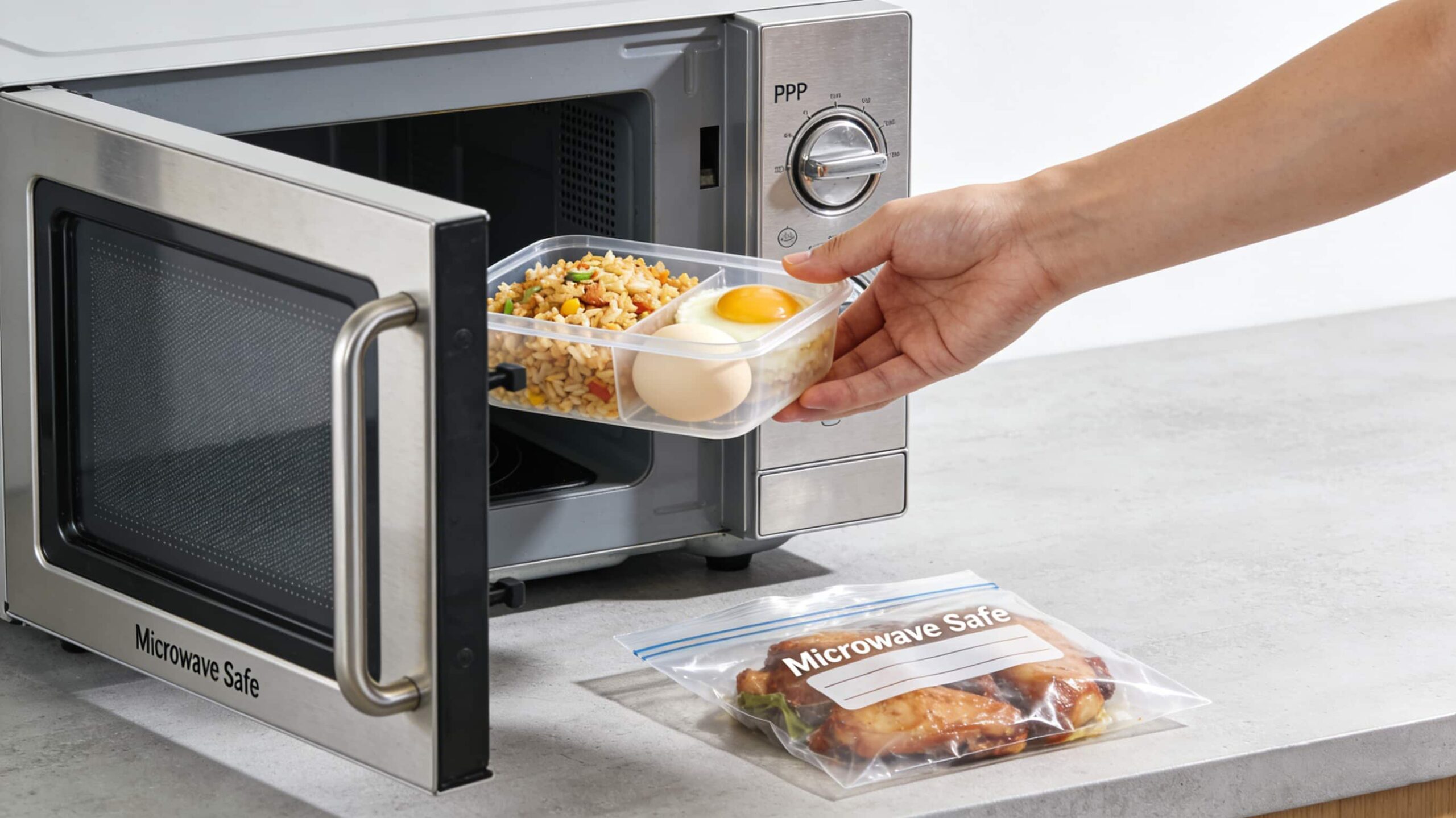
Before comparing materials, it is essential to understand the variables that food introduces.
2.1 Temperature Exposure
Food may experience:
-
Hot filling
-
Cooling after cooking
-
Refrigeration
-
Freezing
-
Microwave or oven reheating
Each stage stresses packaging differently. Materials like PET may soften under heat, while others like CPET are engineered to maintain structural integrity across wide temperature ranges.
2.2 Moisture and Oil Content
Moisture migration causes:
-
Fiber softening
-
Seal failure
-
Condensation buildup
Oil penetration leads to:
-
Leakage
-
Structural weakening
-
Staining and odor retention
Barrier performance often matters more than thickness.
2.3 Shelf Life and Storage Time
Short-life takeaway foods have different requirements than retail products stored for days or weeks. Oxygen permeability, light exposure, and microbial risk vary significantly.
2.4 Transportation and Handling Stress
Delivery introduces:
-
Stacking pressure
-
Vibrations
-
Tilting and inversion
Packaging must resist deformation while maintaining seals.
3. Common Food Types and the Best Packaging Materials
3.1 Hot Ready Meals (Rice, Pasta, Airline Meals)
Typical conditions
-
High temperature at filling
-
Reheating required
-
Moist and oily content
Recommended materials
Why
-
CPET withstands oven and microwave reheating
-
PP offers flexibility and impact resistance
-
Both maintain shape under heat
Materials to avoid
-
Thin PET
-
Uncoated molded fiber
3.2 Cold Foods and Fresh Meals (Salads, Sushi, Desserts)
Typical conditions
-
Refrigeration
-
Visual presentation critical
-
High condensation risk
Recommended materials
Why
-
High transparency enhances presentation
-
Anti-fog technology prevents condensation
-
RPET supports recycled content goals
This is where DASHAN’s anti-fog lid solutions are often applied, especially for retail-ready salads and desserts.
3.3 Oily and Saucy Foods (Curries, Stir-fries, Gravies)
Typical conditions
-
Oil migration
-
Pressure during delivery
-
Risk of leakage
Recommended materials
-
Multi-layer plastic structures
Why
-
Strong oil resistance
-
Reliable sealing
-
Structural resilience
Common mistake Using bagasse or paper-based containers without proper coatings, leading to leaks within 20–30 minutes.
3.4 Frozen Foods
Typical conditions
-
Low-temperature brittleness
-
Freezer storage
-
Possible oven reheating
Recommended materials
Why
-
CPET remains stable from freezer to oven
-
PP resists cracking at low temperatures
3.5 Bakery and Dry Foods
Typical conditions
-
Ambient temperature
-
Crushing risk
-
Need for breathability
Recommended materials
-
Paper-based packaging
Why
-
PET offers rigidity and clarity
-
Paper allows moisture exchange to prevent sogginess
3.6 Short-Life Takeaway Foods
Typical conditions
-
Consumption within 1–2 hours
-
Sustainability focus
-
Moderate moisture
Recommended materials
Why
-
Compostable fiber works well for low-oil foods
-
PP offers better reliability for mixed menus
4. Comparison Table: Food Type vs Packaging Material Performance
| Food Type | Temperature Range | Key Risk | Best Materials | Materials to Avoid |
|---|---|---|---|---|
| Hot meals | High | Deformation | CPET, PP | Thin PET |
| Cold foods | Low | Condensation | RPET + Anti-fog lid | Non-coated fiber |
| Oily foods | Medium | Leakage | PP | Bagasse |
| Frozen foods | Low | Cracking | CPET, PP | Brittle plastics |
| Bakery | Ambient | Crushing | PET, Paper | Soft fiber |
5. Why “Eco-Friendly” Means Different Things for Different Foods
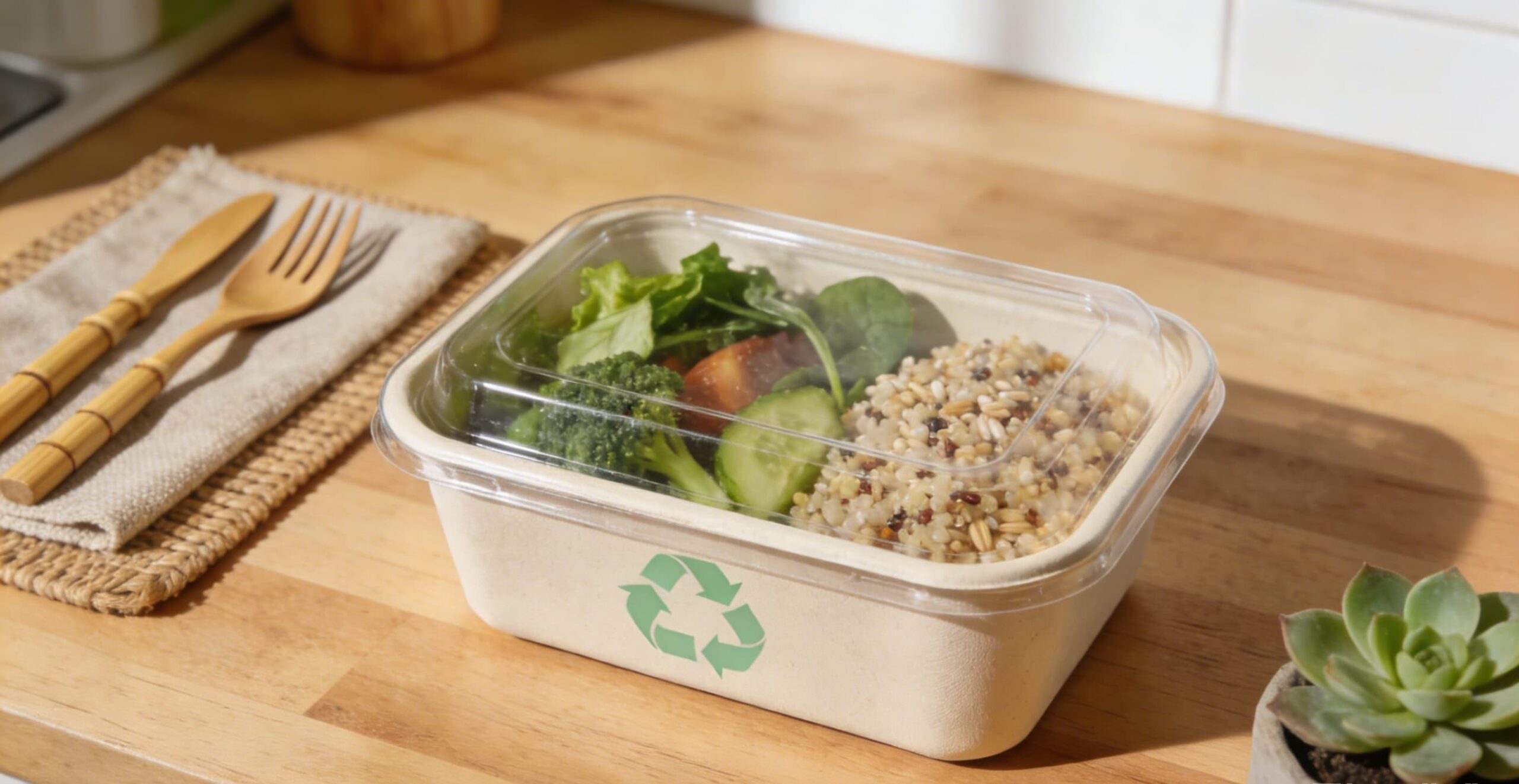
Sustainability is context-dependent. A compostable container that fails and causes food waste may have a higher environmental impact than a recyclable plastic container that preserves food usability.
Key considerations:
-
Compostable materials require controlled waste systems
-
Recyclable plastics depend on local infrastructure
-
Food waste often outweighs packaging waste in carbon footprint
Manufacturers like DASHAN increasingly focus on material optimization, not absolute material replacement.
6. Real-World Scenarios Where Packaging Choices Fail
Scenario 1: Same Food, Different Channels
A meal served dine-in may fail completely in delivery due to vibration and temperature retention.
Scenario 2: Lab Tests vs Real Use
Packaging passes compression tests but leaks during scooter delivery.
Scenario 3: Visual Failure
Food remains safe, but fogged lids reduce consumer acceptance.
These failures are usually design and material selection issues, not quality control problems.
7. How DASHAN Approaches Material Selection
Internally, this approach is often referred to as a food-behavior-first packaging strategy.
Rather than pushing a single material, DASHAN’s approach typically starts with:
-
Food composition analysis
-
Usage scenario mapping
-
Regulatory and compliance review
-
Sustainability trade-off assessment
This results in multiple material options for the same food category, allowing buyers to choose based on performance priorities.
8. Practical Checklist for Buyers
Before choosing a packaging material, ask:
-
Will the food be reheated?
-
How long before consumption?
-
Is oil or moisture dominant?
-
What delivery stress is expected?
-
What happens if the packaging fails?
Testing should simulate real use, not just laboratory conditions.
FAQ
1. Is there a single best packaging material for all foods?
No. Each food type behaves differently. Temperature, moisture, oil, and storage time all affect packaging performance, making material–food matching essential.
2. Why does the same container work for some foods but fail for others?
Because materials respond differently to heat, condensation, and oil. A container suitable for salads may deform or leak with hot, oily meals.
3. Which materials are best for hot and reheated foods?
CPET and PP are commonly used for hot meals due to their heat resistance, shape stability, and compatibility with ovens and microwaves.
4. Why are anti-fog lids important for cold foods?
Cold foods often cause condensation. Anti-fog lids maintain visibility and presentation, which directly affects consumer perception and acceptance.
5. Are compostable materials suitable for all food types?
No. Compostable materials like bagasse work best for short-life, low-oil foods. They may fail with oily, saucy, or long-holding applications.
6. How does packaging choice affect food waste?
Poor material selection leads to leaks, sogginess, and deformation, which often results in food being discarded before consumption.
7. Should sustainability come before performance?
Sustainability should be evaluated alongside performance. Packaging that preserves food usability often reduces overall environmental impact more effectively than poorly performing “eco” options.
Conclusion: Match Food Behavior, Not Trends
There is no universal packaging solution. The best packaging material is the one that aligns with:
-
Food behavior
-
Usage environment
-
Consumer expectations
-
Waste management realities
By shifting focus from materials to functional performance, food brands can reduce complaints, lower waste, and make more credible sustainability claims.