

Quick Summary
The 117 mm PLA cup is a versatile, plant-based packaging solution designed for cold beverages, desserts, fruit mixes, and light salads. With its wide opening, crystal-clear appearance, and compatibility with multiple lid types, it helps foodservice brands improve presentation, streamline SKUs, and support sustainability initiatives. Ideal for cafés, drink chains, dessert shops, and healthy food brands seeking a high-quality, eco-friendly alternative to conventional plastic cups.
Across foodservice, takeaway, and retail packaging, brands today must balance cost efficiency, sustainability expectations, food safety, and product presentation. Among the many packaging choices available, the 117 mm PLA cup has quietly become one of the most versatile and dependable formats for cold beverages, desserts, fruit mixes, and light salads.
Instead of being designed for only one product category, the 117-diameter cup offers a wider opening, strong sidewall structure, and crystal-clear transparency that make it suitable for multiple applications. For operators and importers, that flexibility often means simpler inventory, lower SKU complexity, and a more consistent brand experience across product lines.
In this comprehensive guide, we explore what makes the 117 mm PLA cup so practical, how it performs in real foodservice environments, and what importers and brand owners should evaluate before purchasing.
1. What Exactly Is a 117 mm PLA Cup?
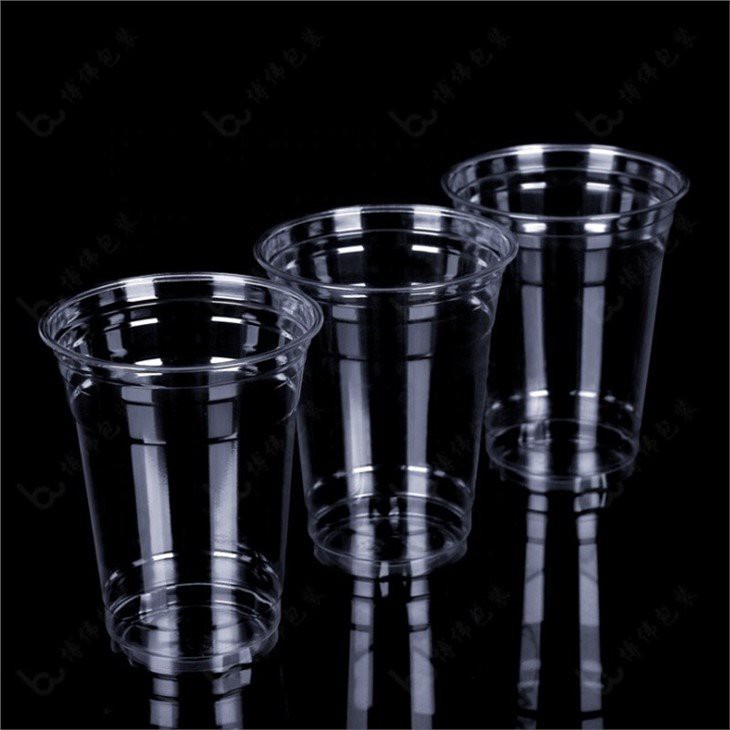
A “117 mm cup” refers primarily to the top diameter of the cup. This wider opening creates:
-
greater visibility of contents
-
easier filling and topping
-
compatibility with dome and flat lids
-
improved presentation for layered products
Typical specifications (example format):
-
Top Diameter: 117 mm
-
Bottom Diameter: ~96 mm (varies slightly by mold)
-
Height: ~58 mm
-
Capacity: around 450 ml
-
Weight: approx. 12 g ± 5%
-
Material: PLA (polylactic acid)
PLA is different from traditional petroleum-based plastic such as PP or PET. It is produced from renewable plant-based resources such as corn starch or sugarcane, which positions it well for markets increasingly focused on sustainability.
Because the 117 mm size balances volume, stability, and wide-mouth usability, it fits seamlessly across multiple menu categories instead of being constrained to one.
2. Why Food Businesses Are Adopting PLA Instead of Conventional Plastics
2.1 Plant-Based Origin
Polylactic acid (PLA) is created through fermentation and polymerization of natural sugars derived from plants. While it is technically still a polymer, its origin is renewable, unlike conventional plastics derived entirely from fossil fuels.
For environmentally focused brands, this immediately supports sustainability claims such as:
-
reduced reliance on petroleum resources
-
alignment with eco-friendly packaging trends
-
compatibility with “green” marketing narratives
2.2 Reduced Carbon Footprint (Lifecycle Perspective)
PLA typically has a lower cradle-to-gate carbon footprint than many petroleum plastics when manufacturing emissions are considered. Markets increasingly reward businesses that demonstrate measurable sustainability improvements across packaging.
2.3 Compostability Under Industrial Conditions
PLA is classified as industrial compostable when processed under controlled, high-temperature composting environments. It is not the same as “backyard compostable” and not designed to biodegrade rapidly in natural conditions.
Setting expectations clearly matters. Responsible communication should emphasize:
-
PLA requires specialized composting infrastructure
-
It should still be disposed of responsibly
-
It should not be treated as “throw anywhere and it disappears”
Even with these nuances, PLA remains a preferred option in many green-policy markets and programs.
3. Why the 117 mm Diameter Works Across So Many Applications
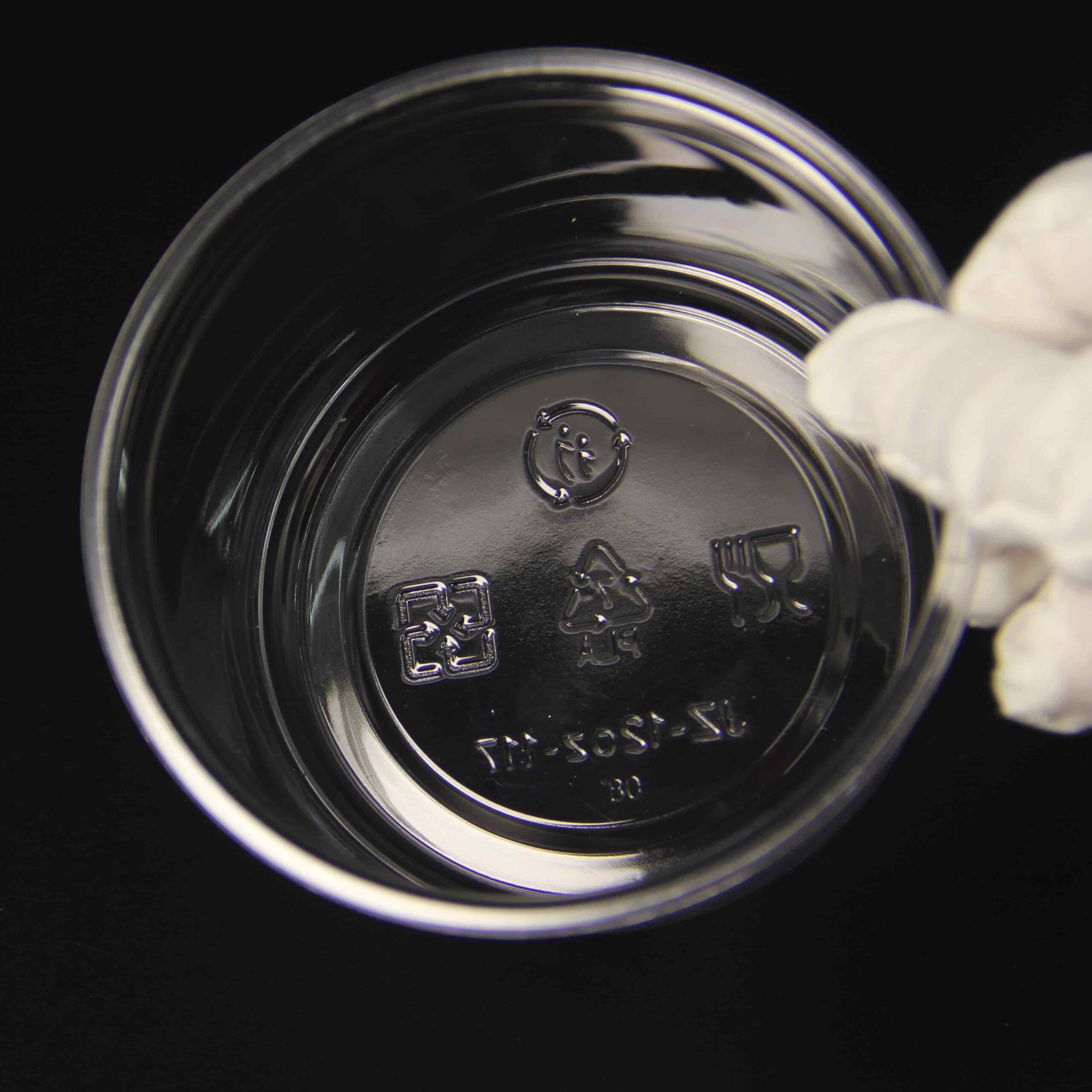
While material is important, performance always depends on design. The 117 mm PLA cup succeeds because of functional geometry.
3.1 Wide-Opening Design
The 117 mm mouth enables:
-
easy scooping for salads and desserts
-
convenient layering for parfaits or tiramisu
-
comfortable drinking for smoothies and juices
-
topping space for whipped cream, yogurt, or fruit
Consumers also like the wide look because it feels generous and premium, not narrow or restrictive.
3.2 Stability on Counters and Delivery
The wider base structure improves:
-
anti-tipping performance
-
stacking stability
-
resistance during carry and delivery
For takeaway operators, fewer spills and product losses translate into real operational savings.
3.3 Clear Visibility for Premium Presentation
Crystal-clear PLA enhances the visual value of:
-
brightly colored juices
-
yogurt and fruit parfaits
-
mini salads and healthy bowls
-
layered desserts like mousse or jelly
In today’s social media culture, packaging that highlights product transparency can significantly influence impulse purchases.
4. Key Use Cases: One Cup, Multiple Business Scenarios
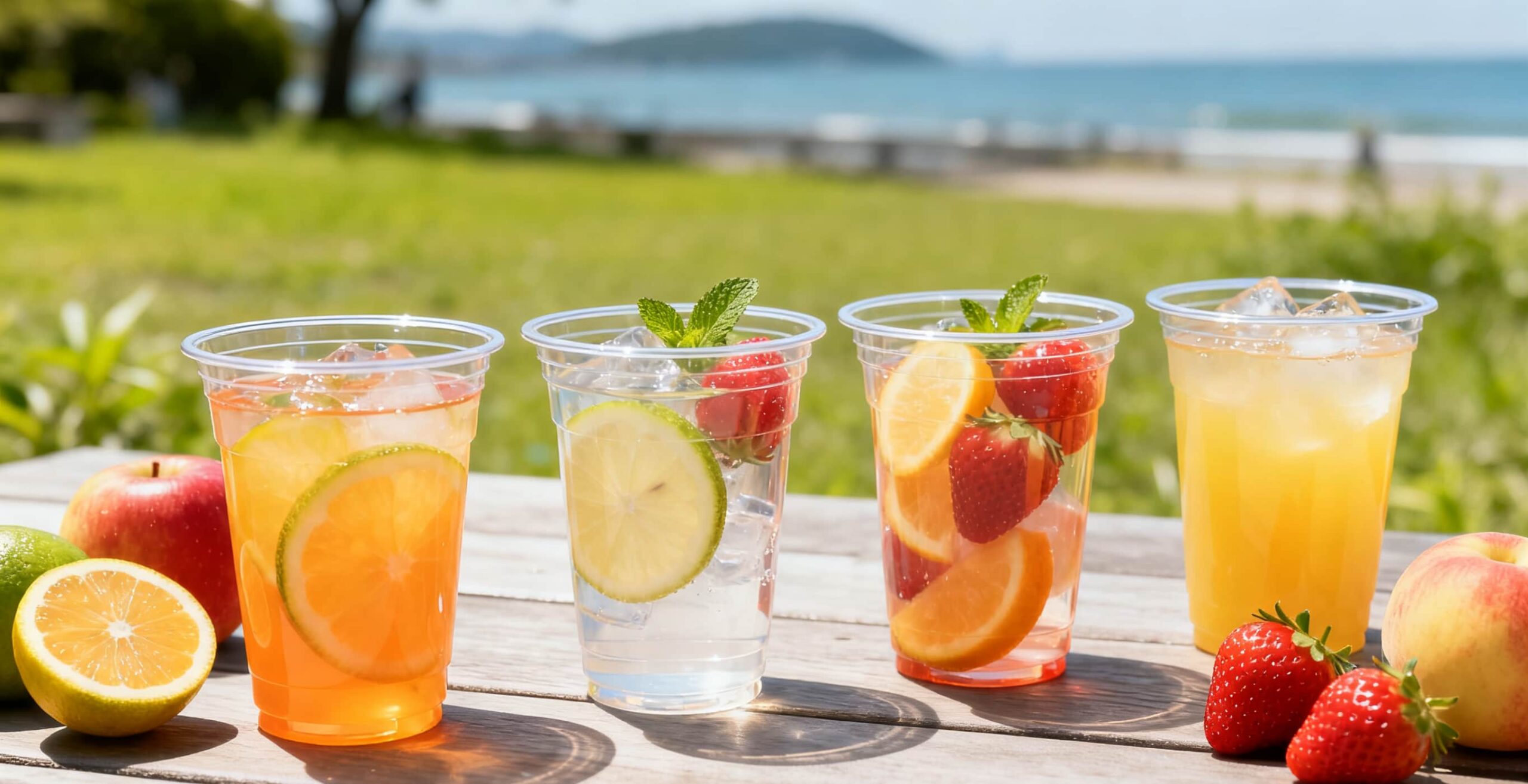
4.1 Cold Beverages
Typical product categories include:
-
iced coffee and iced latte
-
fruit juices
-
smoothies
-
milk tea without heat
-
cold specialty beverages
Paired with flat or dome lids, the 117 mm format is suitable for dine-in, takeaway, and delivery.
Important note: PLA is primarily recommended for cold and room-temperature beverages. High heat may deform the material.
4.2 Desserts and Sweets
The cup performs exceptionally well with:
-
pudding
-
mousse
-
fruit cocktails
-
jelly desserts
-
yogurt parfaits
-
tiramisu cups
Dessert operators value how neatly toppings and layers remain visible.
4.3 Light Salads and Healthy Bowls
While not intended for large meal salads, 117 mm works perfectly for:
-
fruit salads
-
side salads
-
vegetable mixes
-
cold pasta or grain salads
Consumers associate clarity with freshness — which aligns perfectly with salad presentation goals.
5. Performance Characteristics That Matter to Buyers
Importers and procurement managers evaluate more than capacity and aesthetics. The following performance factors determine true value.
5.1 Structural Strength
PLA cups must maintain rigidity during:
-
stacking
-
filling
-
transportation
-
hand-holding
A well-engineered 117 mm cup maintains wall integrity without feeling brittle.
5.2 Lid Compatibility
Most 117 mm systems are designed to align with:
Universal lid compatibility helps reduce SKU complexity.
5.3 Food Safety Compliance
Critical certifications often include:
-
FDA / EU food-contact compliance
-
migration testing
-
traceability standards
For importers, documentation is as important as product performance.
6. Inventory and Operations Benefits: Simplifying SKU Management
One of the greatest practical advantages of 117 mm PLA cups is inventory optimization.
With a single format, foodservice operators can package:
-
smoothies
-
fresh juices
-
fruit mixes
-
yogurts
-
desserts
-
side salads
Instead of stocking multiple container sizes and lids, operators can streamline purchasing, reduce warehouse space, and improve forecasting accuracy.
This “universal cup strategy” is especially appealing to:
-
franchise beverage brands
-
salad bars and dessert shops
-
convenience stores
-
cafés and bakery chains
-
catering and central kitchen operators
7. Purchasing & Sourcing Considerations for Importers
7.1 Understand Real Capacity vs. Nominal Capacity
A cup listed as “450 ml” may refer to brim-full capacity. Practical serving volume is sometimes 10–15% lower. Always confirm:
-
usable fill volume
-
brim capacity
-
headspace consideration for lids
7.2 Weight and Material Balance
Heavier cups usually offer more rigidity, but cost increases. An optimal balance avoids unnecessary resin consumption while maintaining performance.
7.3 Packaging Format and Logistics
Confirm:
-
carton configuration
-
stacking height
-
pallet layout
-
loading optimization
These determine landed cost in real terms, not just unit price.
7.4 Market Regulations
Different countries may have:
-
compostability labeling requirements
-
language rules
-
restrictions regarding PLA vs PET in certain programs
Working with suppliers familiar with export documentation reduces risk.
8. Environmental Claims: Communicate Responsibly
PLA is more sustainable than traditional plastic — but responsible brands avoid exaggeration.
Clear messaging should state:
-
plant-based origin
-
lower carbon impact compared with certain plastics
-
industrial compostability where facilities exist
Transparency builds long-term consumer trust.
9. Practical Limitations to Be Aware Of
PLA is not the perfect material for every scenario. Consider the following constraints:
-
not suitable for high-temperature liquids
-
sensitivity to prolonged heat during storage or transport
-
must be kept away from direct sunlight and excessive humidity
-
composting infrastructure availability varies by country
Understanding these realities helps match the material with the right applications.
10. Who Benefits Most from 117 mm PLA Cups?
The format is ideal for businesses that value:
-
premium visual presentation
-
sustainability positioning
-
SKU simplification
-
multi-application usability
Typical users include:
-
beverage chains
-
dessert manufacturers
-
healthy lifestyle brands
-
salad retailers
-
eco-friendly food startups
-
catering services
By standardizing on one versatile cup, brands create consistent presentation while keeping procurement simple.
11. Final Thoughts: Why the 117 mm PLA Cup Is a Smart Strategic Choice
In an environment where packaging must be functional, sustainable, visually appealing, and cost-efficient, the 117 mm PLA cup delivers balanced value.
It is:
-
wide and practical
-
attractive and transparent
-
plant-based and environmentally aligned
-
versatile across multiple food categories
For importers and operators aiming to upgrade packaging without dramatically increasing cost complexity, the 117 mm PLA cup represents a reliable, future-ready solution.
FAQ — 117 mm PLA Cup
1. What is PLA and why is it used for this cup?
PLA (Polylactic Acid) is a plant-based polymer produced from renewable resources such as corn or sugarcane. It offers good clarity and sustainability benefits compared with traditional petroleum plastics, making it suitable for eco-focused packaging.
2. Can the 117 mm PLA cup be used for hot drinks?
No. PLA is recommended only for cold and room-temperature products. High heat can soften or deform the material.
3. What types of food and beverages does the 117 mm cup work best with?
It is ideal for cold drinks, smoothies, juices, yogurt parfaits, puddings, fruit salads, light salads, and layered desserts.
4. Are the cups compostable?
PLA is industrially compostable under controlled, high-temperature conditions. It does not rapidly break down in regular trash or backyard compost. Disposal guidance should follow local waste regulations.
5. What lid types are compatible with the 117 mm diameter?
Depending on the product line, the cup generally matches flat lids, dome lids, and certain tamper-evident lids designed for a 117 mm system.
6. Is the material food-safe?
Yes — reputable suppliers provide food-contact compliance documentation (such as FDA/EU standards and migration testing). Always request certificates when sourcing.
7. Does the declared “450 ml” refer to usable capacity or brim-full?
Usually it refers to brim-full capacity. Usable serving capacity is slightly lower to leave space for lids and toppings.
8. How should PLA cups be stored?
Store in a cool, dry place, away from sunlight, heat sources, and humidity to maintain structural performance.
References:
-
European Bioplastics — “What are bioplastics?”
https://www.european-bioplastics.org/bioplastics/ -
U.S. Environmental Protection Agency — Materials: Plastics Overview
https://www.epa.gov/smm/sustainable-management-materials-plastics -
Bioplastic Institute — PLA Material Overview
https://www.bioplasticinstitute.com/pla -
NatureWorks (PLA manufacturer) — PLA Performance & Applications
https://www.natureworksllc.com/What-is-Ingeo/Applications -
ASTM D6400 Overview — Compostable Plastics Standard
https://www.astm.org/d6400
Copyright Statement
© 2025 Dashan Packing. All rights reserved.
This article is an original work created by the Dashan Packing editorial team.
All text, data, and images are the result of our independent research, industry experience,
and product development insights. Reproduction or redistribution of any part of this content
without written permission is strictly prohibited.
Dashan Packing is committed to providing accurate, evidence-based information and
to upholding transparency, originality, and compliance with global intellectual property standards.