1. Introduction
Overview of Emotional Design in Packaging
Packaging is no longer just a functional element for protecting products or communicating basic information. In the competitive landscape of modern marketing, packaging has evolved into a strategic tool that communicates a brand’s identity and values, influences consumer perceptions, and creates emotional connections. Emotional design in packaging refers to the thoughtful use of visual and tactile elements—such as colors, shapes, materials, and typography—to provoke specific emotional responses in consumers. These emotional responses, in turn, shape consumer behavior, increase brand loyalty, and drive purchasing decisions.
Importance of Emotional Connection in Brand Loyalty
The emotional connection between a brand and a consumer can be a game-changer for building brand loyalty. When consumers feel emotionally connected to a brand, they are more likely to make repeat purchases, recommend the brand to others, and even forgive occasional mistakes. Packaging that successfully resonates with a consumer’s emotions reinforces this bond, transforming a simple purchase into an experience. Emotional design helps build lasting brand loyalty by crafting an identity that consumers can identify with, trust, and feel attached to.
2. Understanding Emotional Design
Defining Emotional Design
Emotional design, as a concept, was popularized by Donald Norman in his book Emotional Design: Why We Love (or Hate) Everyday Things. Norman explained that design is not just about functionality but also about creating experiences that evoke emotional responses. In the context of packaging, emotional design is about crafting a visual and tactile experience that connects with consumers on a subconscious level. It can evoke a variety of emotions—joy, trust, nostalgia, excitement, etc.—by tapping into psychological triggers.
Psychology of Packaging
Understanding how packaging influences consumer behavior starts with the psychology behind it. The human brain is naturally drawn to stimuli that resonate emotionally, and packaging plays a pivotal role in shaping how consumers perceive a product. For example, research has shown that consumers tend to associate certain colors with specific feelings—red can stimulate excitement or urgency, blue evokes trust and calmness, while yellow may stimulate happiness or optimism. Moreover, the form and texture of packaging can impact consumers’ tactile experiences, influencing their emotional response.
3. The Key Elements of Emotional Design in Packaging
Color Psychology
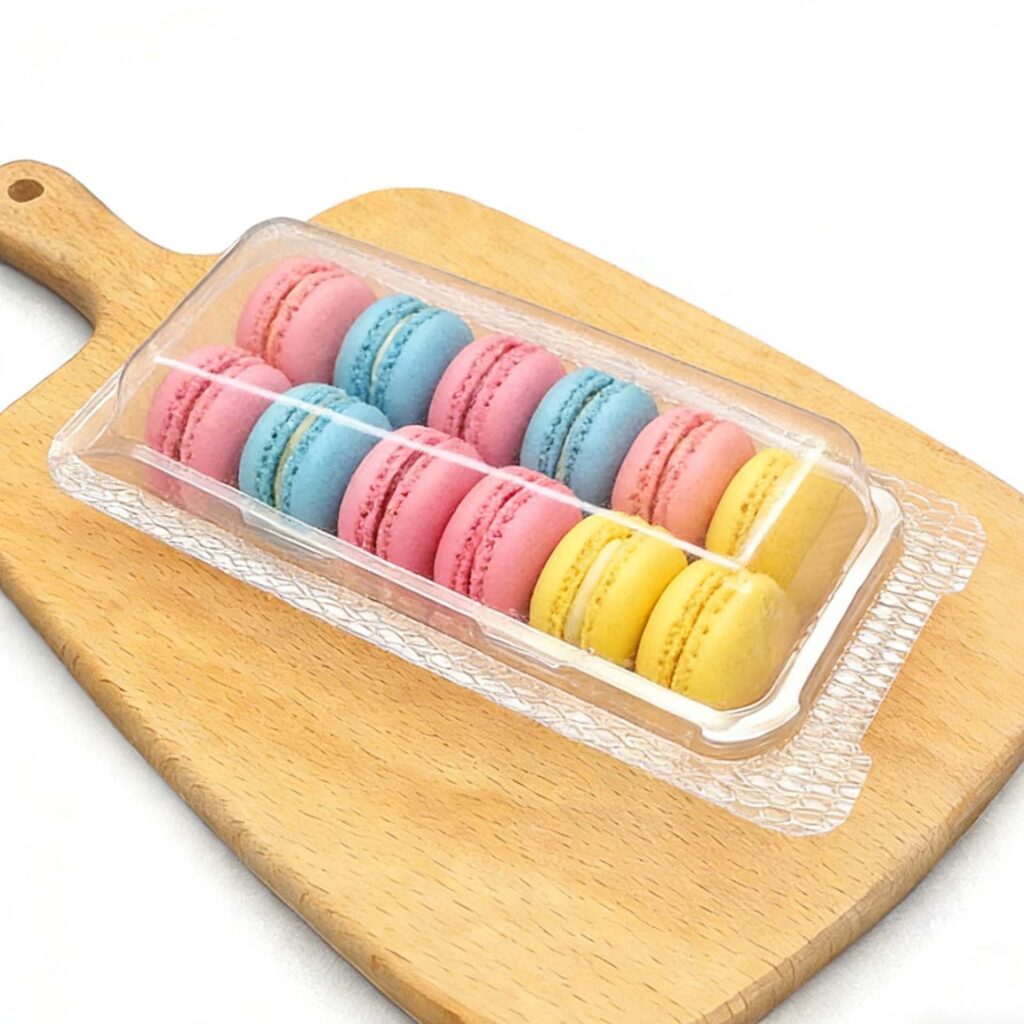
Color is one of the most powerful tools in emotional design. It immediately grabs attention and can influence consumer behavior, often without them being consciously aware of it. Different colors trigger different emotions, and brands strategically use color in packaging to convey particular messages and evoke desired feelings.
-
Red: Often associated with energy, passion, and excitement. It’s commonly used in packaging for products that aim to evoke urgency or enthusiasm.
-
Blue: Represents trust, calm, and professionalism. It’s commonly used in packaging for financial, health, and wellness products.
-
Green: Symbolizes nature, health, and eco-friendliness. It’s commonly used for organic or environmentally conscious products.
-
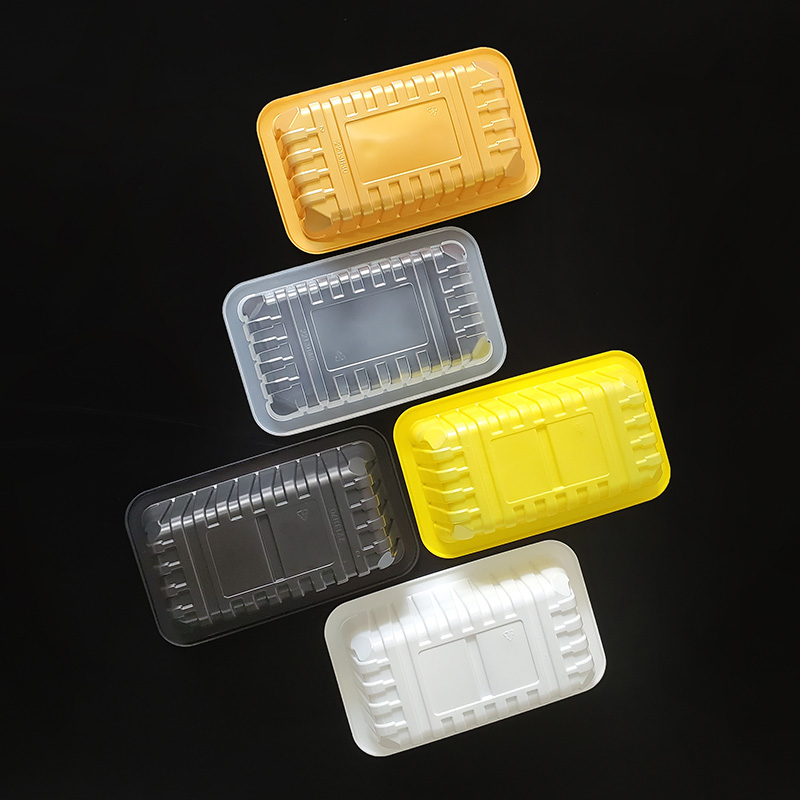
Yellow: Associated with optimism, happiness, and creativity. Often used in packaging for children’s products, snack foods, and beverages.
Shape and Form
The shape of packaging can evoke different emotional responses. For instance, packaging with rounded edges often feels more approachable and friendly, while angular or sharp-edged designs can communicate modernity or sophistication. Moreover, the shape of the packaging can tell a story about the product it contains. For instance, bottles with a curvaceous design may evoke feelings of elegance, while a minimalistic box may convey a more contemporary or tech-savvy image.
Texture and Material
The material and texture of packaging also play a crucial role in evoking emotions. For example:
-
Soft-touch finishes or velvety textures on luxury packaging convey a sense of opulence and exclusivity.
-
Matte materials may suggest modernity and simplicity.
-
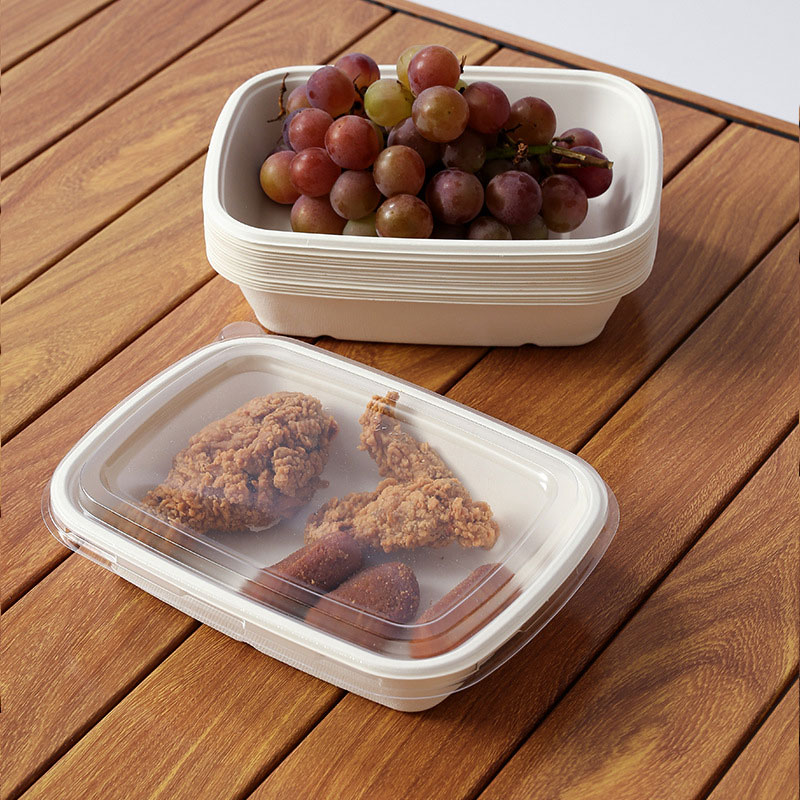
Eco-friendly materials, like recycled cardboard or biodegradable plastics, appeal to consumers’ ethical values and environmental consciousness.
The way a product feels in hand can make a significant difference in the consumer’s emotional experience, affecting their perception of quality and the value of the product.
Typography and Messaging
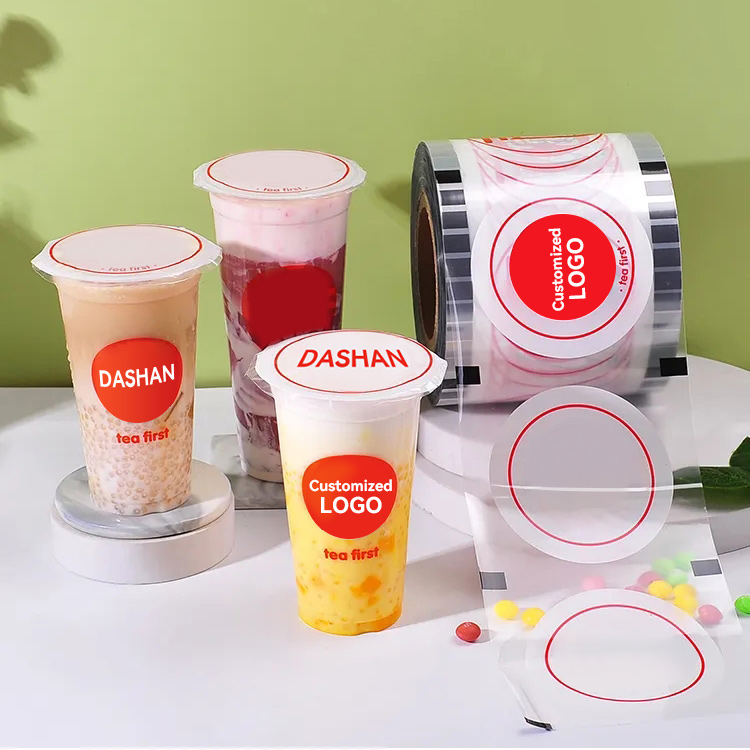
The choice of font and the tone of messaging are crucial components of emotional design. Bold, sans-serif fonts often evoke a modern and minimalistic feel, while script fonts may convey elegance or sophistication. The style of the font can convey the personality of the brand and influence how the consumer perceives the product.
The messaging on packaging, such as slogans or brand values, can also have an emotional impact. For example, packaging that tells a brand story, expresses values like sustainability, or includes sentimental messaging can trigger emotional responses from the consumer, helping them connect with the brand on a deeper level.
4. Case Studies of Emotional Packaging Design
Brand Examples That Have Mastered Emotional Packaging
Several brands have effectively utilized emotional design to establish a deeper bond with their consumers through packaging. Some standout examples include:
-
Coca-Cola
Coca-Cola’s iconic red and white packaging instantly conveys excitement, joy, and energy. The brand’s use of dynamic shapes and the famous script font evokes a sense of fun and happiness, which aligns with its “Open Happiness” campaign. Special editions, like personalized Coke bottles, further deepen the emotional connection by making consumers feel like the product is tailored just for them. -
Apple
Apple’s minimalist and sleek packaging is synonymous with its brand image of sophistication and premium quality. The unboxing experience, which is clean and thoughtful, creates a sense of luxury and excitement for the consumer. The use of high-quality materials and the careful design of the product packaging makes Apple products feel like more than just technology—they feel like objects of desire. -
Tiffany & Co.
Tiffany & Co.’s signature blue packaging has become a symbol of luxury and exclusivity. The elegant blue box, paired with the brand’s sophisticated logo, creates an immediate emotional response tied to feelings of status, elegance, and high value. The packaging elevates the experience of receiving a gift, making it feel like a truly special moment.
Consumer Reactions and Behavioral Insights
Research consistently shows that packaging can influence consumer perceptions of a product, its value, and its quality. For example, a study published in The Journal of Consumer Psychology found that consumers tend to attribute higher quality to products with premium packaging. The tactile and visual elements of packaging, from texture to shape to color, contribute to this perception, as they affect how consumers feel when interacting with a product.
5. Creating an Emotional Connection Through Packaging
Storytelling Through Packaging
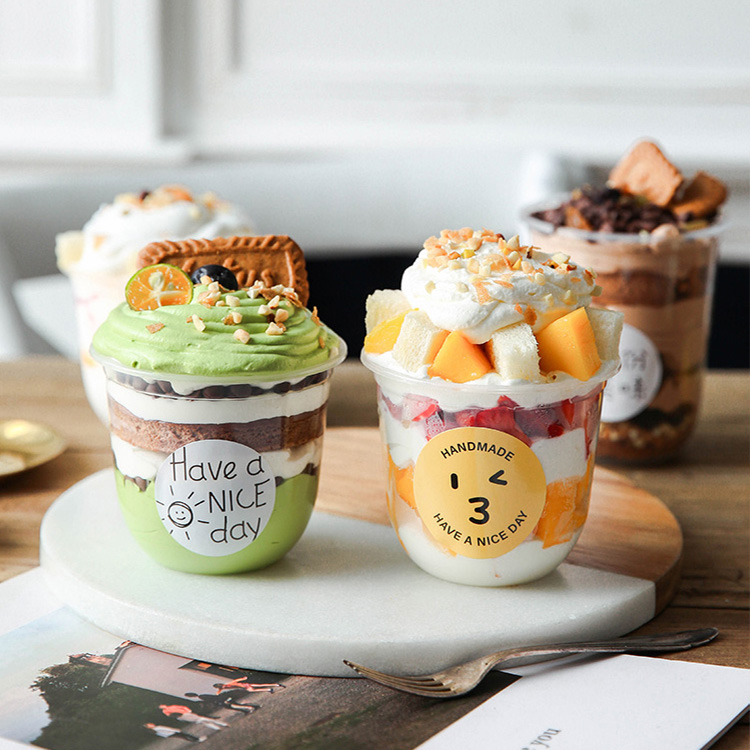
Packaging can be used as a canvas to tell a brand’s story, making it more memorable and emotionally resonant. Storytelling through packaging can make consumers feel like they are part of the brand’s journey, and it fosters emotional connections. For example, limited-edition packaging or seasonal designs create a sense of exclusivity and urgency, while designs that reflect a product’s origin story (e.g., showcasing ethical sourcing or cultural heritage) can connect emotionally with consumers.
Packaging as an Extension of Brand Identity
Packaging is not just a physical container; it is a reflection of the brand’s identity and values. Consistent emotional design across all packaging elements strengthens the overall brand image. When consumers encounter packaging that consistently reflects the same emotional tone (whether it’s playful, professional, or luxurious), they begin to associate that feeling with the brand itself. Over time, this association leads to deeper emotional loyalty.
6. The Future of Emotional Design in Packaging
Technological Advancements and Emotional Design
As technology continues to evolve, so too does the potential for emotional design in packaging. Augmented reality (AR) and interactive packaging are among the next frontiers for brands to engage consumers emotionally. With AR, consumers can interact with the packaging through their smartphones, unlocking digital content, experiencing product demonstrations, or even enjoying personalized messages.
Additionally, smart packaging that changes in response to touch, temperature, or even a consumer’s preferences can enhance the emotional experience, making the interaction feel more personalized and engaging.
Sustainability and Emotional Appeal
Sustainability is becoming a key consideration for consumers when making purchasing decisions. Brands that use eco-friendly packaging (such as biodegradable materials or recycled packaging) can evoke feelings of responsibility, trust, and environmental care. As consumers become more conscious of environmental issues, brands that demonstrate sustainability through their packaging are likely to form stronger emotional connections with their audience.
7. Conclusion
Recap of Emotional Design in Packaging
Emotional design in packaging is an essential tool for brands looking to stand out in a crowded marketplace. By thoughtfully considering elements like color, shape, texture, and messaging, brands can create packaging that resonates with consumers emotionally, enhances brand identity, and fosters loyalty.
The Lasting Impact of Emotional Packaging
Packaging that taps into consumers’ emotions doesn’t just impact a single purchase—it has the power to shape long-term relationships with a brand. Emotional design creates a memorable experience that goes beyond functionality, influencing how consumers perceive a product, its value, and the brand behind it.
8. Frequently Asked Questions (FAQ)
-
What is emotional design in packaging?
-
Answer: Emotional design in packaging refers to the strategic use of design elements like colors, shapes, textures, and typography to evoke specific emotions in consumers. These emotions influence consumer perceptions of a product, create memorable experiences, and help establish an emotional connection between the consumer and the brand. It’s not just about aesthetics, but about creating a packaging experience that resonates deeply with the consumer on an emotional level.
-
-
How does color influence consumer behavior in packaging?
-
Answer: Colors play a significant role in emotional design by triggering psychological responses. For example, red tends to evoke excitement, urgency, or passion, making it ideal for products aimed at stimulating action (like sales or limited editions). Blue, on the other hand, is often associated with trust and calmness, making it effective for financial, health, or wellness products. Green signifies nature and sustainability, appealing to environmentally-conscious consumers. By understanding color psychology, brands can tailor packaging to resonate with their target audience’s emotions and influence purchasing decisions.
-
-
Can emotional design really increase sales?
-
Answer: Yes, emotional design can significantly boost sales. Packaging that connects emotionally with consumers can influence their perception of the product, its value, and the brand itself. Research has shown that consumers are more likely to purchase products with packaging that they feel emotionally connected to. Emotional design creates a lasting impression, encourages repeat purchases, and generates word-of-mouth marketing as consumers are likely to share their positive experiences with others.
-
-
Is emotional packaging only for premium products?
-
Answer: No, emotional packaging can be applied to products across all price ranges. While premium products often benefit from luxurious, high-end packaging designs that emphasize exclusivity and quality, emotional design is about creating connections regardless of the product’s price. For example, a brand selling inexpensive snacks may use playful, colorful packaging to evoke feelings of fun and joy, making the product feel more relatable and desirable.
-
-
How do consumers connect with brands emotionally through packaging?
-
Answer: Consumers connect emotionally with brands through packaging that aligns with their values, needs, or personal experiences. For instance, eco-conscious consumers are drawn to sustainable packaging, which reflects their environmental values. Nostalgic designs may evoke memories or a sense of familiarity, making the consumer feel connected to the brand’s story. Additionally, limited edition or seasonal packaging can create a sense of exclusivity or anticipation, further strengthening the emotional bond between the consumer and the brand.
-
-
What role does storytelling play in emotional packaging design?
-
Answer: Storytelling is a powerful tool in emotional packaging. By incorporating a brand’s story, heritage, or mission into the design, packaging can communicate deeper meanings and evoke emotions tied to that narrative. For example, a brand that emphasizes sustainability can use its packaging to tell the story of its ethical sourcing or environmental impact, making consumers feel that they are supporting a brand with shared values. Packaging becomes more than just a container—it becomes a medium for communicating a brand’s journey, values, and connection with the consumer.
-
-
How can brands maintain consistency in emotional design across different packaging?
-
Answer: Maintaining consistency in emotional design across packaging involves using a cohesive visual identity, tone, and message that aligns with the brand’s core values and persona. Whether it’s through consistent use of color, typography, or packaging materials, the design should evoke the same emotions across all touchpoints. This consistency helps reinforce the brand’s identity, making it instantly recognizable and emotionally familiar to consumers.
-
-
How can technological advancements enhance emotional design in packaging?
-
Answer: Technological advancements such as augmented reality (AR), interactive packaging, and smart packaging offer exciting opportunities to deepen emotional connections with consumers. For instance, brands can use AR to create immersive experiences where consumers can scan packaging with their smartphones to unlock brand stories, product information, or even games. Smart packaging that changes in response to consumer interaction—like color-shifting materials or temperature-sensitive designs—can enhance the emotional experience, making the packaging feel more personal and engaging.
-
-
Can emotional design be used in sustainable packaging?
-
Answer: Absolutely! Emotional design can be seamlessly integrated into sustainable packaging. In fact, many consumers emotionally connect with brands that prioritize sustainability, and packaging can be a key aspect of conveying this message. Using eco-friendly materials, minimalistic designs, or clear messaging about environmental responsibility can create positive emotions tied to eco-consciousness. Brands that align emotional design with sustainability not only build consumer loyalty but also appeal to the growing demographic of environmentally-conscious consumers.
-
-
Is there a risk of over-designing packaging in the pursuit of emotional appeal?
-
Answer: Yes, there is a risk of over-designing packaging, where the emotional appeal may overshadow the product’s functionality or the overall brand message. Packaging should always remain true to the product and brand identity, balancing creativity with practicality. Overcomplicating design elements can confuse consumers, reduce shelf impact, or make the product feel inauthentic. The key is to ensure that the design enhances the product’s value and message rather than detracting from it.
9. References
-
Books:
-
Norman, D. A. (2004). Emotional Design: Why We Love (or Hate) Everyday Things. Basic Books.
-
Pine, B. J., & Gilmore, J. H. (1999). The Experience Economy: Work is Theatre & Every Business a Stage. Harvard Business Review.
-
-
Articles:
-
Hagtvedt, H., & Brasel, S. A. (2016). Branding with color: The psychological impact of color in marketing. Journal of Marketing Science, 34(3), 222-237.
-
-
Websites:
-
Nielsen. (2022). How Colors Influence Consumer Decision Making. Nielsen Insights
-
Copyright Statement
© 2025 Dashan Packing. All rights reserved.
This article is an original work created by the Dashan Packing editorial team.
All text, data, and images are the result of our independent research, industry experience,
and product development insights. Reproduction or redistribution of any part of this content
without written permission is strictly prohibited.
Dashan Packing is committed to providing accurate, evidence-based information and
to upholding transparency, originality, and compliance with global intellectual property standards.