

Introduction
Food packaging plays a vital role in the modern food industry, ensuring food safety, convenience, and extended shelf life. With the increasing demand for convenience foods and ready-to-eat meals, understanding which food packaging materials are microwave-safe has become more important than ever. The microwave has become a staple in many households, making microwave-safe packaging essential for consumers and manufacturers alike.
In this article, we will explore the various food packaging materials that are safe to use in the microwave, the reasons behind their safety, and the importance of choosing the right materials for different food products.
1. The Importance of Microwave-Safe Packaging
In today’s fast-paced world, microwave ovens offer convenience for heating and cooking food quickly. With an increase in microwaveable meals and ready-to-eat food options, packaging that can withstand microwave temperatures is a key consideration for manufacturers and consumers.
However, not all materials are microwave-safe. Some can release harmful chemicals when heated, while others may catch fire or melt. Understanding the material properties and safety standards associated with food packaging can help avoid accidents and preserve food quality.
Microwave-safe packaging ensures the food stays hot without contaminating it with toxins or chemicals. It also prevents leaks and maintains the integrity of the food product. Consumers benefit from safe food packaging that makes their busy lives easier, and manufacturers ensure their products meet regulatory guidelines for food safety.
2. Types of Microwave-Safe Food Packaging Materials
2.1. Microwave-Safe Plastic Materials
Polypropylene (PP)
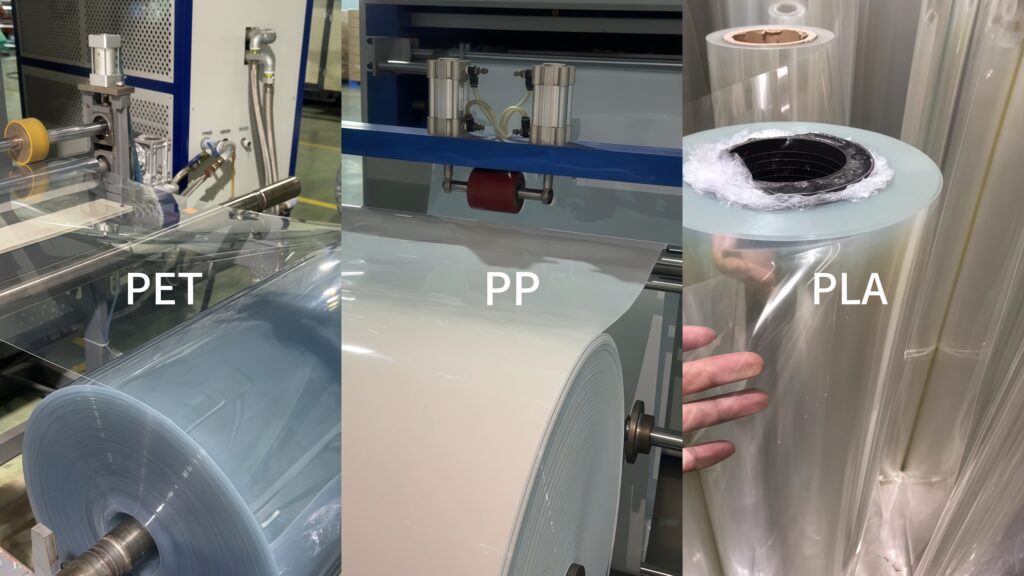
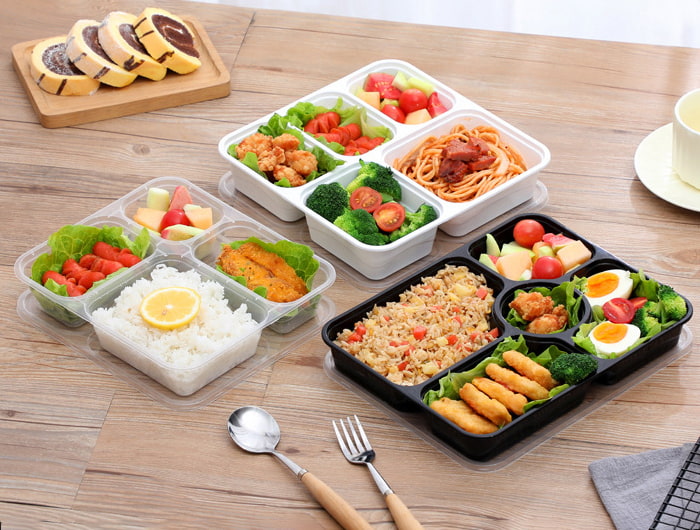
Polypropylene is one of the most widely used plastics in microwave-safe packaging. It has a high melting point (160°C or 320°F), making it ideal for use in the microwave. PP is commonly used for food containers, microwave-safe lids, and trays. Its durability and heat resistance make it a popular choice for ready meals, takeout packaging, and beverage containers.
Advantages:
-
Resistant to high temperatures.
-
Microwave-safe when used properly.
-
Available in various forms (e.g., containers, trays, lids).
Disadvantages:
-
Can warp under extreme temperatures if used improperly.
-
Limited heat resistance compared to some other plastics like polycarbonate.
Polyethylene Terephthalate (PET)
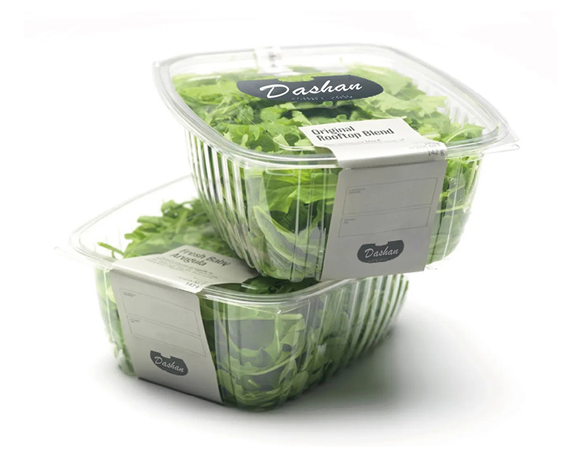
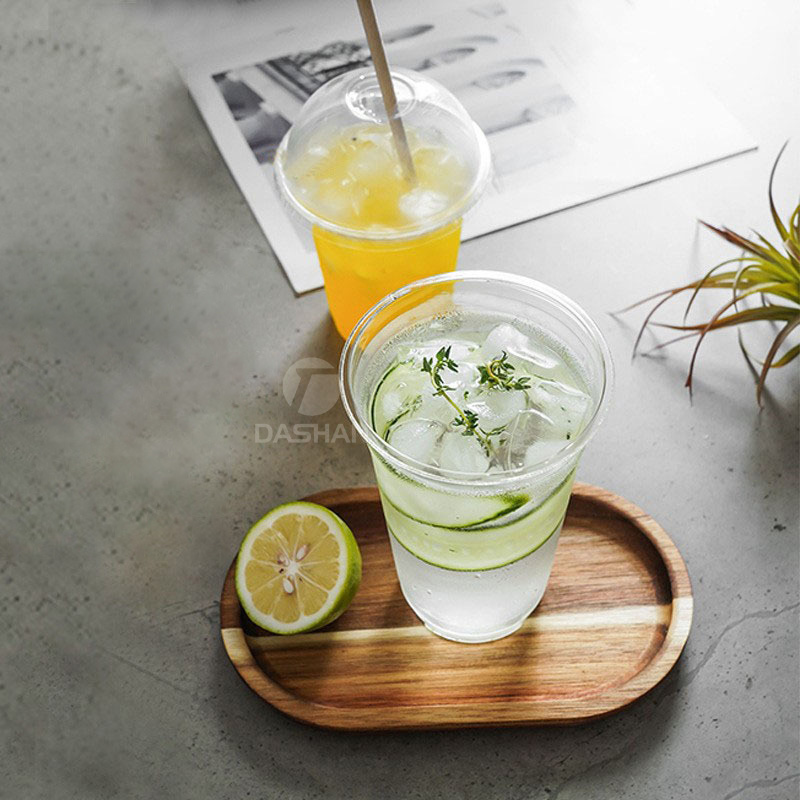
PET is another commonly used material in food packaging. Although it is safe to microwave in short bursts, prolonged exposure to heat can cause the material to warp. RPET (recycled PET) is also widely used in packaging due to its environmental benefits. PET containers are commonly used for prepackaged meals, salads, and snacks.
Advantages:
-
Available in transparent forms.
-
Eco-friendly, especially when made from recycled PET.
-
Durable and resistant to external impacts.
Disadvantages:
-
Not as heat-resistant as PP and may start to warp or degrade after prolonged exposure to microwave heat.
-
May leach chemicals into food if the plastic becomes too hot, especially with repeated use.
-
Less durable than PP when used for long periods of time in the microwave.
Polycarbonate (PC)
Polycarbonate is a heat-resistant plastic that has traditionally been used for microwaveable containers. However, due to concerns about the presence of Bisphenol A (BPA), many manufacturers have moved toward safer alternatives. Though microwave-safe, polycarbonate is less commonly used today in food packaging.
Advantages:
-
Heat-resistant.
-
Durable and long-lasting.
-
Not easily prone to breaking.
Disadvantages:
-
Concerns over BPA (Bisphenol A), which has been linked to health risks. Many consumers and manufacturers are moving away from PC for food packaging.
-
More prone to scratches over time, which can lead to a decline in the safety and clarity of the container.
-
Not as common in modern packaging due to the shift toward BPA-free alternatives.
2.2. Paper-Based Materials
Microwave-Safe Paperboard
Paperboard is widely used for microwaveable products such as pizza boxes, meal trays, and wraps. When properly coated, paperboard can be made microwave-safe. The coating prevents the material from absorbing moisture and becoming soggy, allowing it to maintain structural integrity in the microwave.
Advantages:
-
Lightweight and biodegradable.
-
Can be printed with branding and designs.
-
An affordable option for disposable microwave-safe food packaging.
Disadvantages:
-
Not as heat-resistant as plastic or glass, so it may not work well with foods requiring longer microwave times.
-
Paperboard can become soggy or collapse if exposed to moisture for too long, making it unsuitable for some types of food.
-
Not as durable as plastic or glass, meaning it may not last for multiple microwave uses.
Waxed Paper
Wax-coated paper can also be used for microwave-safe food packaging. The wax coating protects the paper from moisture and heat. Waxed paper is typically used in food wraps or for baked goods, but it can only be safely used for short durations in the microwave.
Advantages:
-
Helps retain moisture in foods.
-
Affordable and widely available.
-
Biodegradable options available.
Disadvantages:
-
The wax coating can melt at high temperatures, potentially making it unsafe for prolonged microwave use.
-
Only suitable for short microwave sessions; not ideal for reheating large meals or foods with high fat content.
2.3. Glass Containers
Borosilicate Glass
Borosilicate glass is a type of glass that is resistant to both heat and thermal shock, making it ideal for use in microwave-safe food packaging. Borosilicate glass containers can withstand high temperatures without cracking or warping. They are widely used for microwave-safe jars, food storage containers, and bakeware.
Advantages:
-
Can withstand extreme temperatures.
-
Doesn’t leach harmful chemicals.
-
Reusable and durable.
Disadvantages:
-
Heavier than plastic, which may not be convenient for portable food packaging.
-
Can be more expensive than plastic containers.
-
Can break or shatter if exposed to sudden temperature changes (thermal shock).
Tempered Glass
Tempered glass is another microwave-safe material, commonly used for bowls, dishes, and containers. Tempered glass is heat-resistant and strong, and it won’t break under high temperatures unless subjected to thermal shock.
Advantages:
-
Safe for microwave use.
-
Highly durable.
-
Offers excellent clarity, making it ideal for showcasing food.
Disadvantages:
-
Can be heavy, making it less convenient for on-the-go or takeaway food.
-
More likely to break if dropped compared to plastic or paper containers.
-
Typically more expensive than alternatives like plastic containers.
2.4. Ceramic Materials
Ceramics, including microwave-safe plates, bowls, and mugs, are a popular choice for microwaveable food packaging. Ceramic containers are durable, reusable, and can be designed with microwave-safe glazes. However, not all ceramics are microwave-safe, so it is important to ensure the specific ceramic used is labeled as such.
Advantages:
-
Can be heated in the microwave without leaching chemicals.
-
Reusable and long-lasting.
-
Offers a stylish, aesthetically pleasing option for serving food.
Disadvantages:
-
Heavier than plastic or paper, which can be less convenient for packaging.
-
Some ceramics may have glazes that contain metals, which can cause sparking or damage in the microwave.
-
Can crack or chip if dropped or exposed to thermal shock.
2.5. Biodegradable Packaging Materials
Polylactic Acid (PLA)
PLA is an eco-friendly alternative to traditional plastics. It is made from renewable resources such as corn starch or sugarcane, making it biodegradable and compostable. PLA can be microwave-safe when used for specific applications such as cold food storage or short microwave heating durations.
Advantages:
-
Made from renewable resources such as cornstarch or sugarcane, making it an eco-friendly option.
-
Compostable and biodegradable under the right conditions.
-
Microwave-safe for short heating durations.
Disadvantages:
-
Not suitable for prolonged microwave use or high heat.
-
Typically used for cold foods or short heating periods, limiting its versatility in food packaging.
-
Can become soft or start to deform when exposed to hot foods or liquids for extended periods.
Sugarcane Bagasse
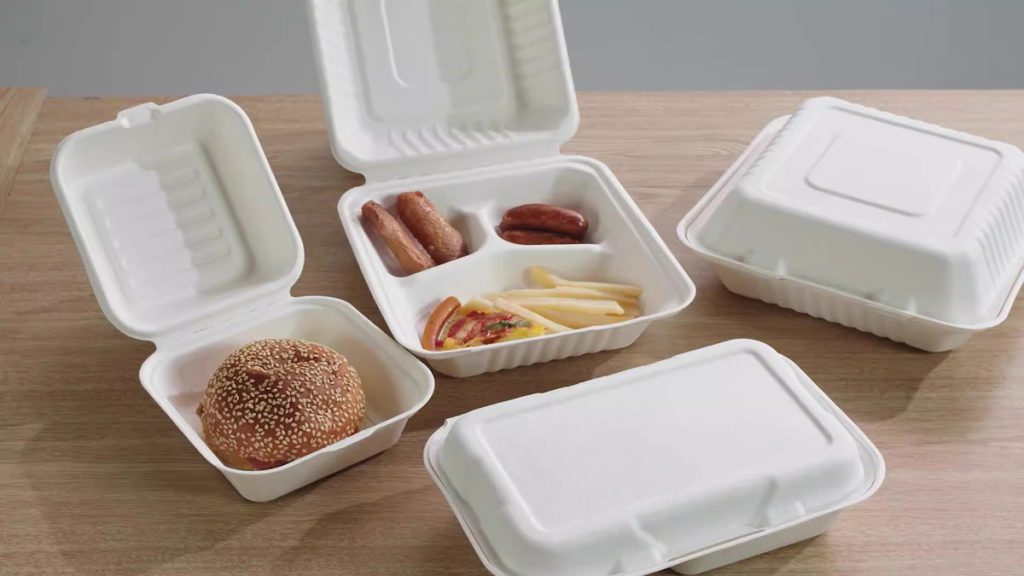
Sugarcane bagasse is a byproduct of the sugar production process, and it is gaining popularity as a sustainable food packaging material. It can be molded into microwave-safe containers and trays. However, like PLA, it is generally used for cold food applications and short microwave times.
Advantages:
-
Compostable and biodegradable.
-
Sustainable material sourced from waste.
-
Microwave-safe for short heating times.
Disadvantages:
-
Not suitable for long periods in the microwave or foods requiring high temperatures.
-
Can become soggy or lose shape if exposed to too much moisture or heat.
-
Limited availability in some regions compared to more traditional microwave-safe materials like plastic.
2.6. Crystallized PET (CPET)
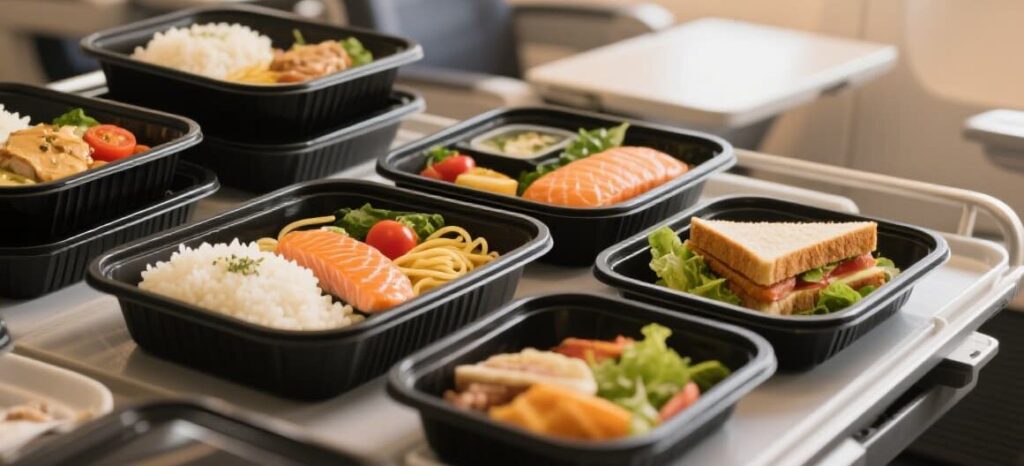
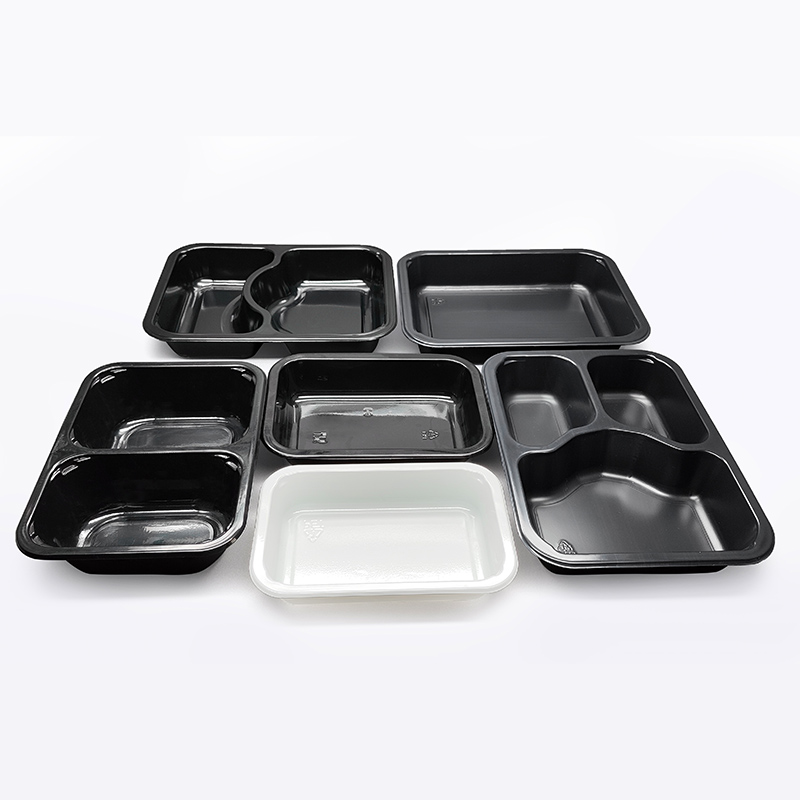
CPET (Crystallized Polyethylene Terephthalate) is another important microwave-safe material. It’s a more heat-resistant variant of PET, specifically designed to handle higher temperatures, making it a popular choice for ready meals and takeout containers.
-
Advantages:
-
High heat resistance allows it to safely withstand microwave temperatures up to 200°F (93°C).
-
Durable and sturdy, reducing the risk of leakage or contamination.
-
Often used for microwaveable trays and ready meals.
-
Recyclable, contributing to sustainability efforts.
-
-
Disadvantages:
-
More expensive than standard PET or PP materials.
-
Less flexible than other materials, which can limit its use for some packaging shapes and sizes.
-
Not biodegradable, although it is recyclable.
-
3. Why Some Materials Are Not Microwave-Safe
Not all materials are suitable for microwave use. Here are some reasons why certain food packaging materials should not be microwaved.
Metals and Foil
Metals, including aluminum foil, should never be used in the microwave as they can cause sparks and even fires. Some food packaging, such as certain takeout containers or frozen food packages, may have foil linings, which can be dangerous when exposed to microwave radiation.
Polystyrene (PS)
Polystyrene, often used in foam cups and containers, is not microwave-safe. When heated, it can melt or release harmful chemicals, such as styrene, which can leach into the food. This material should be avoided for microwave heating.
PVC (Polyvinyl Chloride)
PVC is another material that should never be microwaved. It can warp, release toxic chemicals, and even catch fire. PVC is not recommended for food packaging that will be heated in a microwave.
4. How to Choose the Right Microwave-Safe Packaging for Food
When selecting microwave-safe food packaging, several factors must be considered:
-
Labeling Standards: Always check for the microwave-safe label on the packaging to ensure it is safe for use in the microwave.
-
Safety Certifications: Ensure the material meets food safety standards, such as those set by the FDA or European Commission.
-
Temperature Range: Consider the specific temperature requirements for your food item. For example, packaging designed for hot foods must be able to withstand higher temperatures.
-
Environmental Impact: Opt for biodegradable and recyclable packaging when possible to reduce waste.
5. Industry Trends in Microwave-Safe Food Packaging
With the growing focus on sustainability, there is a rising demand for eco-friendly, microwave-safe packaging options. Manufacturers are moving away from traditional plastic materials toward biodegradable options like PLA and sugarcane bagasse. These materials are not only microwave-safe but also offer environmental benefits by being compostable or recyclable.
Additionally, the rise of smart packaging technologies, such as those that include sensors to monitor food temperature, is creating new opportunities for innovation in microwave-safe packaging.
6. Case Studies: Successful Brands Using Microwave-Safe Packaging
Company 1: Fast-Food Chains
Many fast-food chains now use microwave-safe packaging for their ready-to-eat meals. For instance, some companies are shifting from traditional plastic containers to more sustainable options like PLA-coated paperboard for their microwave-safe packaging.
Company 2: Ready-Meal Manufacturers
Ready-meal manufacturers have been quick to adopt microwave-safe packaging as part of their convenience-focused product lines. PET and polypropylene containers, often labeled microwave-safe, are commonly used for these meals.
7. Regulatory Standards and Safety Guidelines for Microwave-Safe Packaging
In the U.S., the FDA regulates materials used in food packaging, including those intended for microwave use. European regulations, such as those by EFSA, also set guidelines to ensure that materials used for food contact are safe and will not leach harmful substances when heated.
Manufacturers must ensure their food packaging materials meet these standards to prevent health risks to consumers.
8. Environmental Impact of Microwave-Safe Packaging Materials
As the demand for sustainable packaging increases, many companies are turning to eco-friendly options. Materials like PLA and sugarcane bagasse are biodegradable and compostable, reducing the environmental impact. PET and polypropylene, while microwave-safe, are more commonly recycled.
The key to balancing sustainability with functionality lies in choosing materials that are both safe for microwaving and environmentally friendly.
9. The Future of Microwave-Safe Food Packaging
The future of microwave-safe food packaging is leaning towards more sustainable options, such as bioplastics, smart packaging, and composite materials. The evolving trend towards environmental responsibility is reshaping how food packaging materials are designed, with an emphasis on recyclability, biodegradability, and overall safety.
Conclusion
In conclusion, choosing the right microwave-safe food packaging material is crucial for both manufacturers and consumers. By understanding the properties of various materials such as polypropylene, PET, paperboard, and biodegradable options, manufacturers can provide safe and convenient products that meet consumer demands for convenience and sustainability.
With the continuous evolution of packaging technology, the future of microwave-safe food packaging looks promising, offering new solutions that meet the needs of both consumers and the environment.
FAQs
-
What materials are microwave-safe for food packaging?
-
Microwave-safe materials include polypropylene (PP), PET, borosilicate glass, and paperboard.
-
-
Can I microwave plastic containers?
-
Yes, but only certain plastics, like polypropylene (PP) and PET, are microwave-safe. Always check the label.
-
-
Why is paperboard microwave-safe?
-
Paperboard can be treated with coatings that prevent moisture absorption, making it safe for short microwave heating.
-
-
Is PLA microwave-safe?
-
PLA is microwave-safe for short heating durations but is best suited for cold food applications.
-
-
What happens if you microwave metal food packaging?
-
Metal can cause sparks and fires when microwaved, so metal packaging should be avoided.
-
References
-
FDA (U.S. Food and Drug Administration). (2021). Food Contact Materials – Microwave Ovens and Food Packaging. Retrieved from https://www.fda.gov/
Miller, D. P., & Wright, J. T. (2019). Evaluating the Safety of Microwave-Safe Food Packaging Materials: A Study of Chemical Migration and Heat Resistance. Journal of Food Packaging Technology, 14(3), 112-118. https://doi.org/10.1016/j.foodpack.2019.04.004
-
EFSA (European Food Safety Authority). (2020). Guidance on the Safety of Food Contact Materials Used in Microwaving. EFSA Journal, 18(7), 624-639. https://doi.org/10.2903/j.efsa.2020.5361
Copyright Statement
© 2025 Dashan Packing. All rights reserved.
This article is an original work created by the Dashan Packing editorial team.
All text, data, and images are the result of our independent research, industry experience,
and product development insights. Reproduction or redistribution of any part of this content
without written permission is strictly prohibited.
Dashan Packing is committed to providing accurate, evidence-based information and
to upholding transparency, originality, and compliance with global intellectual property standards.