

Quick Summary
Packaging is part of everyday life, even when we do not notice it. From morning routines to takeaway lunches, retail shopping, food storage, and disposal, different packaging materials serve different purposes throughout the day. This article explains why no single material fits all scenarios—and why choosing packaging based on real-life use matters more than labels.
Packaging is everywhere, yet most of the time we barely notice it.
From the moment we wake up to the moment we throw something away at night, packaging quietly supports hygiene, safety, convenience, and efficiency. It protects products, enables transport, extends shelf life, and allows modern food systems to function at scale.
This article takes a simple approach: following one ordinary day to show how packaging is woven into everyday life—and why choosing the right packaging materials matters more than most people realize.
Morning: Packaging Begins Before the Day Starts
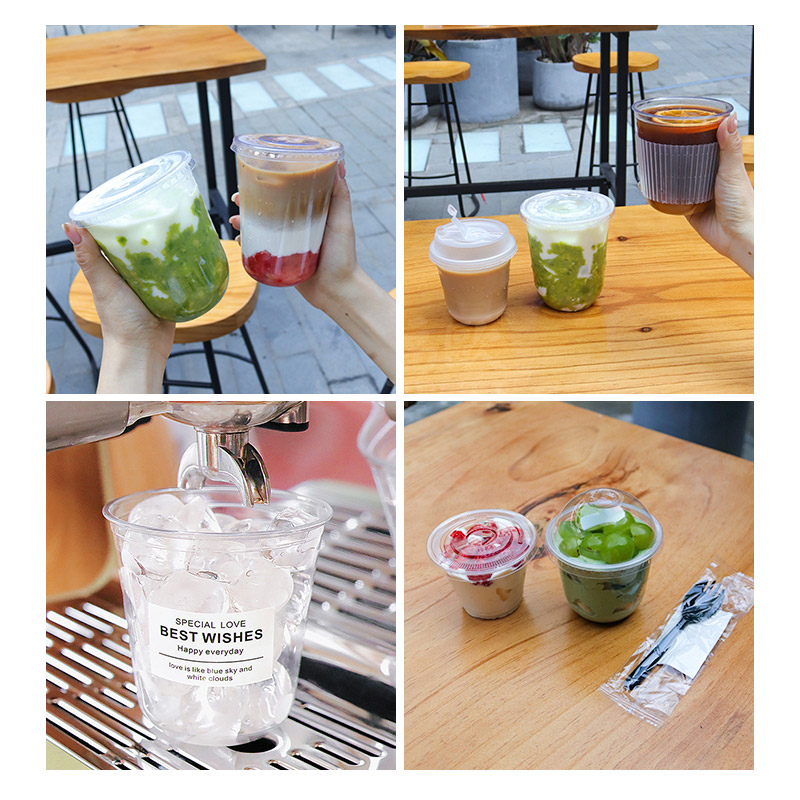
The first interaction with packaging happens long before breakfast.
Toothpaste tubes, shampoo bottles, and skincare containers are all designed to maintain product stability over weeks or months of daily use. These packages must resist moisture, pressure, and repeated handling while keeping contents safe and hygienic.
At breakfast, packaging continues to play a critical role. Milk cartons, yogurt cups, cereal bags, and coffee packaging protect freshness and prevent contamination. Without effective packaging, daily routines would be slower, less hygienic, and far less convenient.
Even a simple takeaway coffee depends on well-designed packaging. Cups and lids must handle hot liquids, prevent leaks, and remain comfortable to hold—often while someone is walking, driving, or commuting.
Packaging in the morning is not about branding or sustainability slogans. It is about reliability, safety, and ease of use.
On the Move: Packaging During Commute and Travel
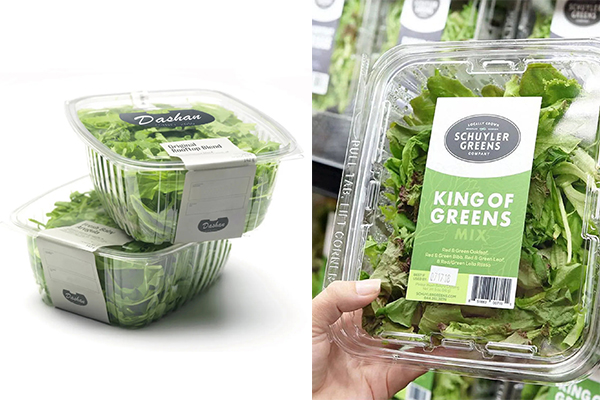
As people leave home, packaging moves with them.
Coffee cups, water bottles, and snack containers must be lightweight, portable, and secure. A leaking lid or deformed cup can quickly turn into a frustrating experience. This is why materials such as PP, PET, and RPET are commonly used for on-the-go consumption—they offer predictable performance under movement and temperature changes.
For packed lunches prepared at home, containers must balance durability with convenience. They need to survive backpacks, briefcases, and daily handling while keeping food intact until mealtime.
In this part of the day, packaging functions as a personal transport system for food and beverages. Performance matters far more than appearance.
Midday: Where Packaging Becomes Mission-Critical
Lunch is where packaging mistakes become most visible.
Takeaway meals, delivery orders, and prepared foods rely heavily on packaging to maintain quality between preparation and consumption. Hot meals generate steam and pressure. Sauces and oils test sealing performance. Different food components often need separation to avoid sogginess or contamination.
This is where material choice becomes critical.
-
Containers for hot meals must resist heat without deforming.
-
Lids must seal tightly while allowing controlled venting.
-
Packaging must maintain structure during stacking and transport.
Materials like PP and CPET are widely used here because they offer heat resistance and durability. Fiber-based packaging such as bagasse is often used for short-distance takeaway where compostability and natural appearance are valued.
When packaging fails at lunch, the consequences are immediate: spills, complaints, wasted food, and lost customers. This is why professional foodservice operators treat packaging as part of the product—not an afterthought.
Afternoon: Retail, Snacks, and Visibility
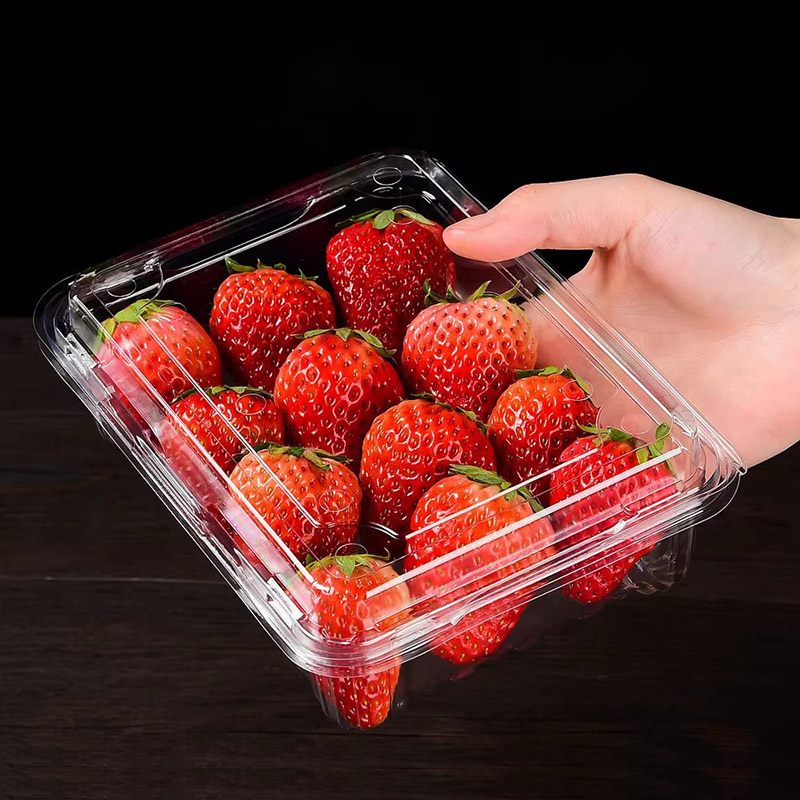
In the afternoon, packaging often shifts from transport to presentation.
Packaged snacks, fresh fruit trays, salads, and cold beverages dominate shelves and refrigerators. Here, visibility becomes important. Consumers rely on clear packaging to assess freshness, portion size, and quality before making a purchase.
Transparent materials such as PET and RPET play a key role in this environment. Clarity builds trust. A consumer who can clearly see the product is more likely to buy it—and less likely to return or discard it prematurely.
Packaging also helps extend shelf life. Proper barriers slow moisture loss, oxidation, and contamination, reducing food waste at both retail and consumer levels.
In retail settings, packaging is not just protection—it is communication.
Evening: Dinner, Storage, and Reheating
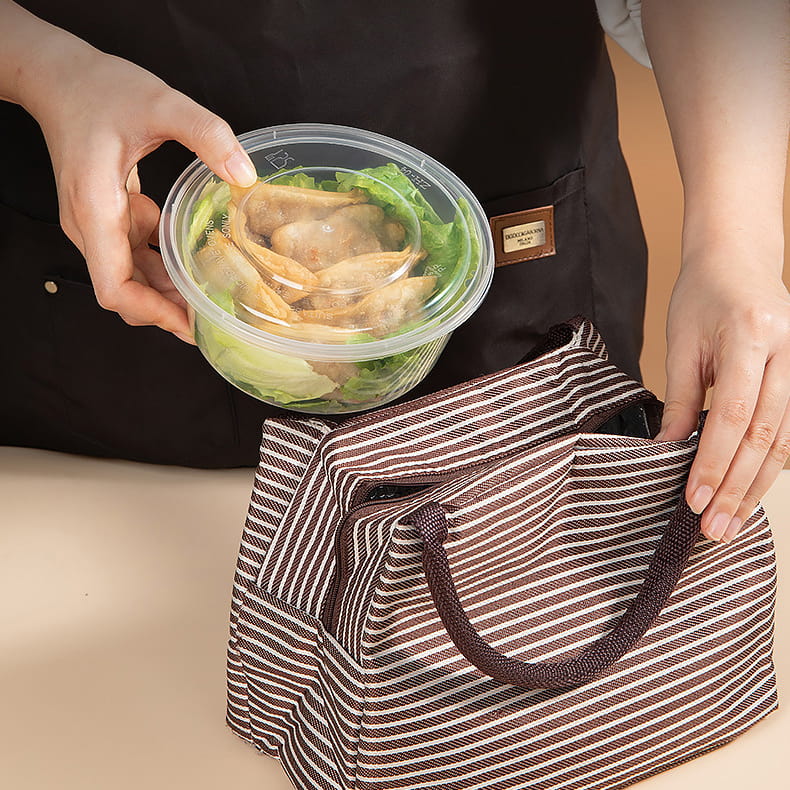
As the day winds down, packaging continues to support food preparation and storage.
Fresh ingredients purchased from supermarkets often arrive in trays, films, or containers designed to preserve quality until cooking. After dinner, leftovers are stored in containers that must withstand refrigeration, reheating, and repeated use.
Microwave-safe packaging becomes essential here. Materials such as PP are commonly chosen because they maintain stability under heat and allow convenient reuse.
In this stage of the day, packaging supports flexibility. It allows food to move from store to kitchen to fridge to microwave without compromising safety or convenience.
End of the Day: Packaging and Disposal Decisions
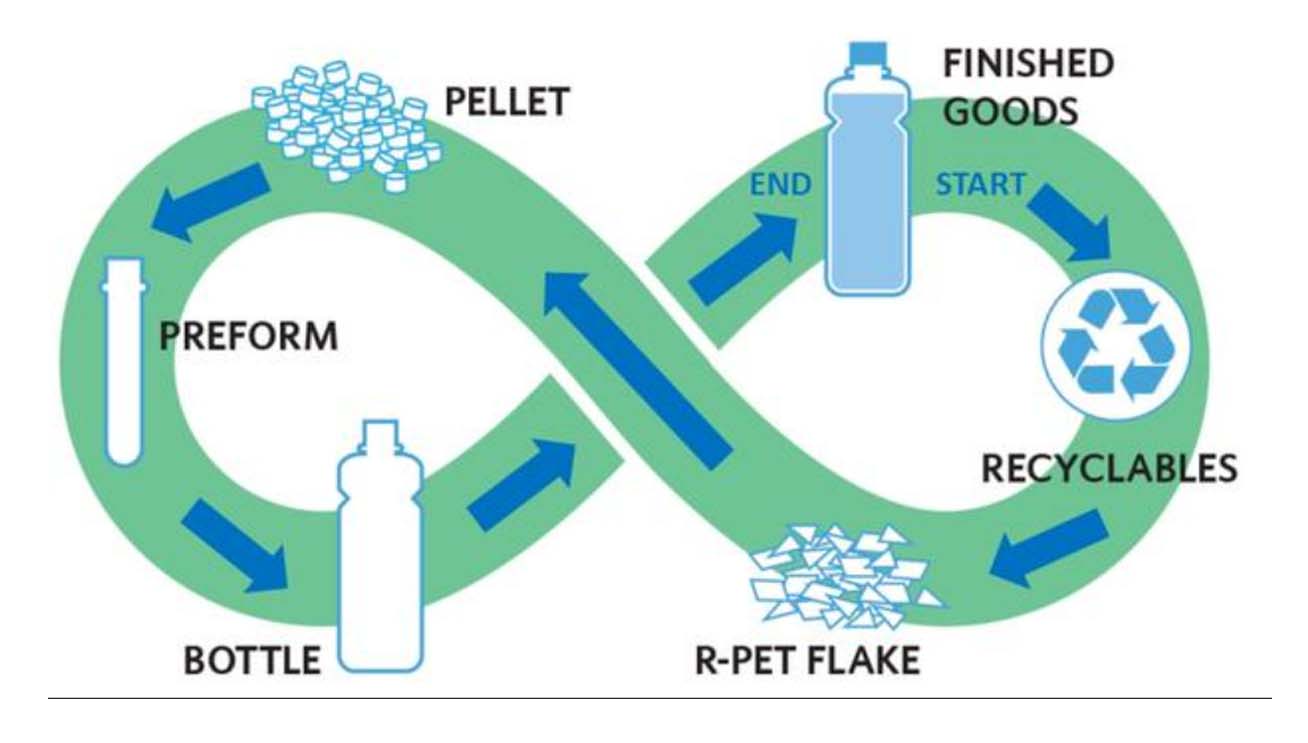
The final interaction with packaging happens at disposal.
Consumers are faced with decisions: recycle, compost, or throw away. These decisions are influenced by packaging design, labeling, and local waste systems.
Confusion is common. Compostable packaging may not be composted if facilities are unavailable. Recyclable packaging may be discarded incorrectly if instructions are unclear.
This is why packaging design must consider end-of-life reality, not just material classification. Clear labeling, simple material structures, and alignment with local waste infrastructure all improve disposal outcomes.
At this stage, packaging becomes part of a larger environmental system—one that requires coordination between producers, consumers, and waste management services.
What One Day Reveals About Packaging
Following a single day makes one thing clear: packaging serves many different purposes, often within just a few hours.
-
Morning packaging focuses on hygiene and routine.
-
Midday packaging prioritizes heat resistance and transport.
-
Retail packaging emphasizes visibility and shelf life.
-
Evening packaging supports storage and reheating.
-
Disposal depends on infrastructure and behavior.
No single material can meet all these needs equally well. This is why modern packaging systems rely on multiple materials, each optimized for a specific application.
Attempts to standardize packaging too aggressively often lead to performance issues elsewhere in the day.
Why Application Matters More Than Material Labels
Discussions about packaging often focus on material names: PET, PLA, bagasse, PP, RPET. While materials matter, application matters more.
A material that performs excellently in one scenario may fail in another. Compostable packaging may be ideal for short-use takeaway but unsuitable for long-distance delivery. Recycled plastic may be perfect for cold beverages but inappropriate for high-temperature applications.
Professional packaging decisions start with understanding how and where the packaging will be used, not with selecting a material based on trends.
Packaging as Everyday Infrastructure
Packaging is not just a product—it is infrastructure.
It enables global food systems, supports daily routines, and connects producers to consumers across distance and time. When packaging works well, it is invisible. When it fails, it disrupts daily life immediately.
Understanding packaging through the lens of everyday use helps businesses make better decisions. It shifts the focus from labels and assumptions to performance, reliability, and real-world behavior.
FAQ
1. Why is packaging so important in daily life?
Packaging protects products from contamination, damage, and spoilage. It also enables transportation, storage, and convenience, making modern food systems and daily routines possible.
2. Is there one packaging material that works best for everything?
No. Different situations require different performance features, such as heat resistance, clarity, strength, or compostability. This is why multiple materials are used across foodservice and retail.
3. Why do takeaway meals need special packaging?
Takeaway food often involves heat, steam, liquids, and transport. Packaging must prevent leaks, maintain structure, and keep food in good condition until consumption.
4. What role does packaging play in reducing food waste?
Proper packaging extends shelf life, protects freshness, and reduces damage during transport. Clear, well-designed packaging also helps consumers make better purchasing and storage decisions.
5. Is compostable packaging always the best environmental choice?
Not necessarily. Compostable packaging works best when proper composting facilities exist. In other situations, recyclable or reusable materials may deliver better real-world outcomes.
6. How should businesses choose the right packaging material?
The decision should be based on application: how the food is prepared, transported, consumed, and disposed of. Performance and end-of-life reality matter more than material trends.
Conclusion
Packaging shapes nearly every moment of daily life, from morning routines to evening cleanup. It protects food, supports convenience, and enables modern consumption patterns that people rely on without thinking.
There is no perfect packaging material for every moment of the day. There are only materials that are right for specific uses.
By viewing packaging as part of a daily system—rather than a single product—businesses can make smarter, more responsible choices that improve performance, reduce waste, and better serve real-life needs.
Reference
-
Food and Agriculture Organization of the United Nations (FAO)
Packaging’s Role in Reducing Food Loss and Waste
https://www.fao.org/platform-food-loss-waste/resources/detail/en/c/1181833/ -
World Packaging Organisation (WPO)
Packaging and Sustainability Overview
https://www.worldpackaging.org/sustainability -
European Commission
Packaging and Packaging Waste Directive Explained
https://environment.ec.europa.eu/topics/waste-and-recycling/packaging-waste_en -
Institute of Packaging Professionals (IoPP)
Fundamentals of Packaging Technology
https://www.iopp.org/page/Fundamentals -
WRAP UK
How Packaging Impacts Food Waste and Recycling
https://wrap.org.uk/resources/guide/packaging-and-food-waste