Introduction
In today’s fast-paced world, food packaging is not just a necessity; it plays a crucial role in maintaining food quality, safety, and sustainability. With increasing consumer demand for eco-friendly solutions, food packaging has seen significant innovation, especially in supermarkets, where products such as meat, seafood, ready-to-eat meals, and fresh produce require diverse and specialized packaging options. This article explores some of the most effective packaging solutions—such as Modified Atmosphere Packaging (MAP), PLA, PET, RPET, cornstarch, sugarcane bagasse, and PP rotisserie chicken boxes—while also highlighting the role of companies like Xiamen Dashan, which provide cutting-edge, sustainable food packaging solutions to meet the evolving needs of the industry.
1. Meat Packaging: From Traditional to Advanced Solutions
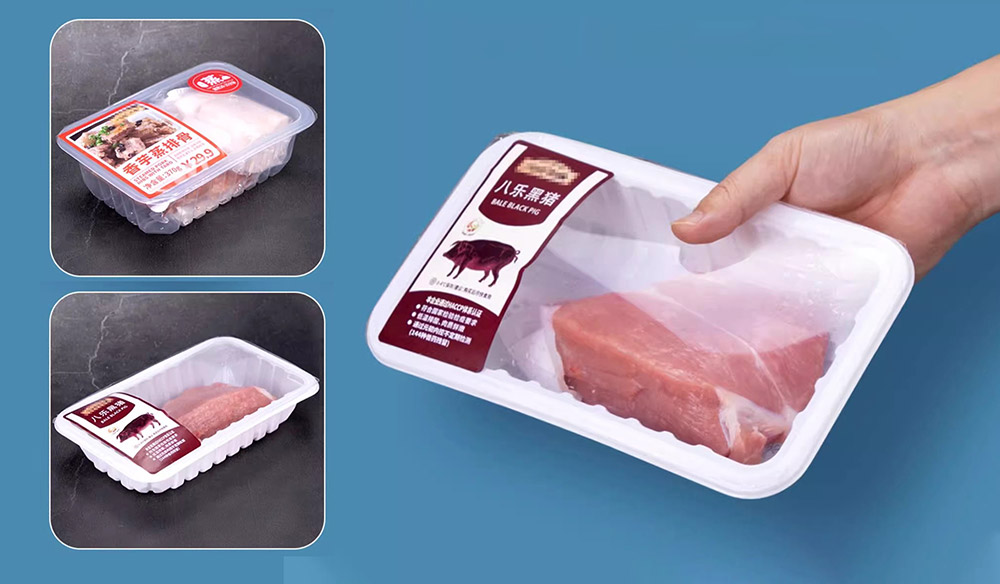
Meat packaging has traditionally relied on plastic wraps and trays to seal meat and poultry, but as consumer awareness about sustainability grows, more advanced solutions are emerging to extend the shelf life of these products and reduce environmental impact.
Modified Atmosphere Packaging (MAP) is one of the most effective methods for preserving meat freshness. By replacing the air inside the packaging with a controlled mixture of gases such as nitrogen, carbon dioxide, and oxygen, MAP slows down the deterioration of meat and preserves its color and texture. This method is widely used for packaging beef, pork, poultry, and other meat products.
Another common technique is vacuum packaging, which removes air from the packaging, further preventing spoilage and maintaining freshness for a longer period.
In recent years, the use of RPET (recycled PET) has gained traction in meat packaging. RPET is a highly sustainable material made from recycled plastic bottles, offering the same durability and performance as virgin PET while reducing the carbon footprint of packaging production. Additionally, PLA (Polylactic Acid), made from renewable plant sources such as corn, is becoming an increasingly popular alternative for meat packaging, especially for cold cuts and sliced meats. PLA is compostable and biodegradable, making it an excellent choice for companies aiming to reduce their reliance on traditional plastic materials.
2. Seafood Packaging: Freshness and Sustainability
Seafood is one of the most perishable categories of food, requiring packaging solutions that preserve freshness while minimizing environmental impact. Traditional plastic films have long been used for seafood packaging, but newer, more sustainable materials are now entering the market.
Gas flushing is commonly used in seafood packaging, where a mixture of gases—such as nitrogen and carbon dioxide—is introduced to replace the oxygen in the packaging, slowing down bacterial growth and preserving the freshness of seafood like fish, shrimp, and shellfish. This process is often combined with MAP technology for enhanced preservation.
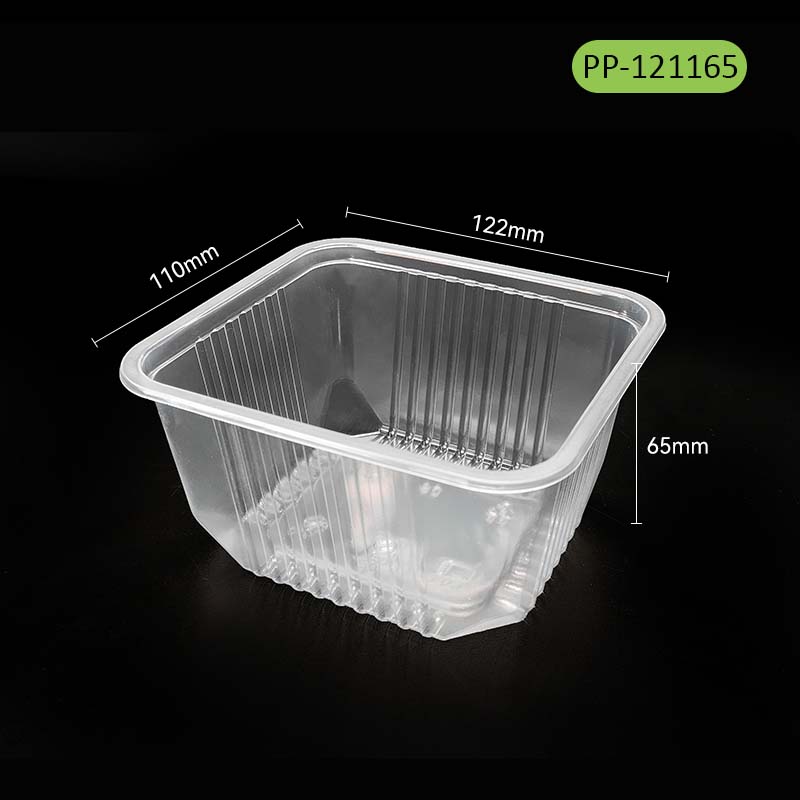
PP trays (Polypropylene) are widely used for seafood packaging due to their durability, moisture resistance, and ability to maintain food safety during transit. PP trays are also a highly recyclable material, making them a good choice for environmentally conscious businesses.
In addition, RPET trays are increasingly used for seafood packaging. These trays, made from recycled plastic, provide a sustainable alternative to traditional virgin plastic packaging while maintaining the strength and clarity required for seafood products.
3. Ready-to-Eat Meals: Balancing Convenience and Eco-Friendliness
The demand for ready-to-eat meals has surged in recent years, driven by consumers’ busy lifestyles. Whether it’s a pre-packaged rotisserie chicken, a deli sandwich, or a salad, the packaging for these products must ensure convenience, freshness, and food safety while also being environmentally responsible.
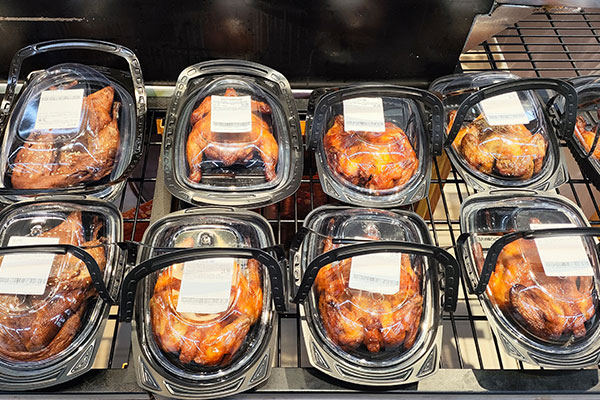
For hot food items like rotisserie chicken, PP rotisserie chicken boxes are commonly used. These PP boxes are heat-resistant, lightweight, and offer an effective way to package hot meals while keeping them fresh and safe during transport. They are especially popular for supermarkets and fast-food chains looking for practical, safe, and sturdy packaging solutions.
For cold items, PLA containers are an increasingly popular choice. Made from plant-based materials, PLA is a biodegradable and compostable plastic alternative, making it an ideal solution for businesses looking to reduce their environmental impact. PLA containers are transparent, allowing customers to see the contents while also offering a sustainable option for cold ready-to-eat meals.
4. Fresh Produce: Packaging for Freshness and Reduced Waste
Packaging fresh produce, such as fruits and vegetables, presents unique challenges. The packaging must not only protect the produce during transportation but also allow for adequate airflow to prevent spoilage and maintain the freshness of the items.
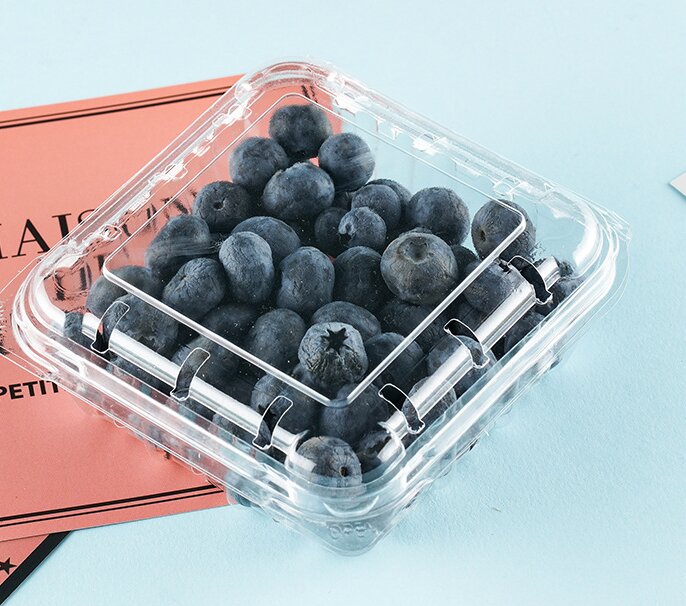
PET fruit trays are one of the most commonly used packaging solutions for fresh produce. These transparent trays provide excellent visibility and protection, allowing customers to see the quality of the fruits while keeping them safe from external damage. PET is lightweight, durable, and fully recyclable, making it a sustainable option for packaging fresh produce.
For more sustainable alternatives, cornstarch packaging and sugarcane bagasse are increasingly being used for fruits and vegetables. These materials are biodegradable and compostable, offering a significant environmental advantage over traditional plastic. Cornstarch packaging, for example, is made from renewable plant resources and provides a protective layer for produce without contributing to plastic waste.
Additionally, sugarcane bagasse is an excellent alternative to plastic for fruit packaging. Bagasse is a byproduct of sugarcane processing, and it is biodegradable, compostable, and made from renewable resources. This material is growing in popularity as businesses seek more environmentally friendly packaging options.
5. Sustainable Packaging: Leading the Change
Sustainability in food packaging is no longer just a trend—it’s an industry-wide movement. As consumers demand more sustainable and eco-friendly packaging, companies are increasingly adopting innovative materials and technologies that reduce environmental impact.
RPET is one of the most prominent sustainable materials in food packaging. By using recycled PET, packaging manufacturers can reduce plastic waste and provide a sustainable solution for packaging food products. RPET has the same durability and performance as virgin PET but with a significantly lower carbon footprint.
Another key material is PLA (Polylactic Acid), which is made from renewable resources like corn starch. PLA is compostable and biodegradable, making it an excellent choice for food packaging, especially in the context of the growing demand for environmentally friendly options in the retail and foodservice industries.
For fully compostable packaging solutions, cornstarch packaging and sugarcane bagasse are ideal alternatives to traditional plastics. These materials are not only biodegradable but also contribute to reducing the environmental burden of food packaging.
6.Company Overview: Xiamen Dashan
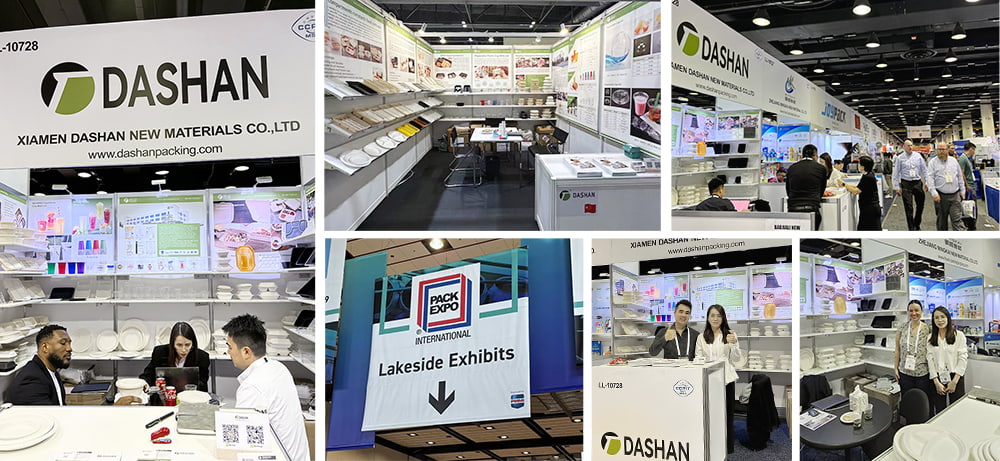
Xiamen Dashan is a leading manufacturer of high-quality, sustainable food packaging solutions, specializing in materials such as PET, RPET, PLA, cornstarch, sugarcane bagasse, and PP. With years of experience in both manufacturing and global trade, Dashan provides customizable, eco-friendly packaging options designed to meet the needs of foodservice, retail, and distribution sectors worldwide. Our focus on sustainability, safety, and quality ensures that our products not only protect food but also help reduce the environmental impact of food packaging.
7. Conclusion: Shaping the Future of Food Packaging
The evolution of food packaging, especially in the supermarket sector, reflects a broader shift towards sustainability and innovation. Packaging materials such as RPET, PLA, cornstarch, sugarcane bagasse, and PP are becoming the industry standard for food packaging, offering both sustainability and functionality.
As consumer demand for eco-friendly packaging continues to grow, companies are adopting these sustainable solutions to reduce waste and improve their environmental footprint. With innovative packaging options, supermarkets can provide fresh, safe, and convenient food products while also supporting a greener planet.
Frequently Asked Questions (FAQ)
-
What is MAP packaging, and why is it used for meat?
-
MAP (Modified Atmosphere Packaging) is a technique that replaces the air inside packaging with a mixture of gases to preserve food. It is commonly used for meat products to extend their shelf life and maintain freshness by reducing the growth of bacteria.
-
-
How does gas flushing work in seafood packaging?
-
Gas flushing involves replacing the oxygen in the packaging with a controlled mixture of gases, such as nitrogen and carbon dioxide, to slow down bacterial growth and preserve the freshness of seafood.
-
-
Can I recycle PET fruit packaging?
-
Yes, PET (Polyethylene Terephthalate) is a fully recyclable material, and many supermarkets offer recycling programs for PET packaging. It can be reused to make new packaging or other products.
-
-
What are the advantages of using PLA for food packaging?
-
PLA is made from renewable resources like corn starch, making it biodegradable and compostable. It is a great alternative to traditional plastics, especially for cold food packaging, and it helps reduce the environmental impact of packaging.
-
-
How does cornstarch packaging contribute to sustainability?
-
Cornstarch packaging is biodegradable, made from renewable plant resources, and can be composted. It reduces reliance on petroleum-based plastics and offers an environmentally friendly alternative for food packaging.
-
-
Why are sugarcane bagasse materials used in food packaging?
-
Sugarcane bagasse is a byproduct of sugarcane processing and is biodegradable, compostable, and made from renewable resources. It provides an eco-friendly alternative to plastic packaging, especially for fruits and vegetables.
-
-
How does RPET help reduce plastic waste?
-
RPET (recycled PET) is made from recycled plastic materials, reducing the need for virgin plastic production. It helps minimize plastic waste and lower the carbon footprint of packaging production.
-
-
What is the future of food packaging?
-
The future of food packaging will focus on sustainability, using materials like PLA, RPET, cornstarch, and sugarcane bagasse. Packaging innovations will prioritize eco-friendly options to reduce plastic waste and meet growing consumer demand for environmentally conscious products.
-
References
-
Smith, A., & Jones, R. (2022). Sustainable Food Packaging: Materials and Technologies. Journal of Packaging Innovation, 45(3), 112-130.
-
Williams, P. (2021). Trends in Fresh Food Packaging: Sustainability and Innovation. Journal of Environmental Packaging, 38(4), 97-104.
-
Brown, L. & Green, K. (2020). Eco-Friendly Packaging Solutions in the Food Industry. International Journal of Sustainable Packaging, 29(1), 40-58.
Copyright Statement
© 2025 Dashan Packing. All rights reserved.
This article is an original work created by the Dashan Packing editorial team.
All text, data, and images are the result of our independent research, industry experience,
and product development insights. Reproduction or redistribution of any part of this content
without written permission is strictly prohibited.
Dashan Packing is committed to providing accurate, evidence-based information and
to upholding transparency, originality, and compliance with global intellectual property standards.