

Quick Summary:
This article delves into how French consumers are reacting to eco-friendly food packaging. It explores the growing demand for sustainable packaging, the impact of French regulations like the AGEC Law, the role of consumer education, and the challenges businesses face in adopting eco-friendly solutions. Additionally, it highlights the environmental benefits of eco-friendly packaging materials and the key drivers shaping the future of food packaging in France.
1. Introduction to Eco-Friendly Food Packaging
In recent years, the demand for eco-friendly food packaging has skyrocketed, as consumers are becoming more conscious of the environmental impacts of their choices. The packaging industry, particularly in the food sector, is increasingly shifting away from traditional plastic packaging to more sustainable alternatives. The primary goal is to reduce waste, minimize the carbon footprint, and encourage a circular economy where materials are reused or biodegraded.
Eco-friendly food packaging refers to materials that are biodegradable, recyclable, or made from renewable resources, such as plant-based plastics (PLA), recycled paper, glass, and edible packaging. This shift is driven by growing environmental awareness among consumers, stringent government regulations, and advancements in packaging technologies.
As part of France’s commitment to sustainability, the government has introduced several initiatives to curb plastic waste and promote eco-friendly alternatives. In the wake of these efforts, the French food industry is under increasing pressure to adopt packaging solutions that are both environmentally responsible and practical for everyday use.
The Role of Eco-Friendly Food Packaging in Sustainability
Sustainable food packaging reduces the environmental burden created by single-use plastics, which contribute to pollution, particularly in oceans and landfills. According to environmental experts, reducing plastic consumption can significantly lower greenhouse gas emissions and overall environmental degradation.
2. French Consumers’ Growing Preference for Eco-Friendly Packaging
Consumer Attitudes Toward Sustainability
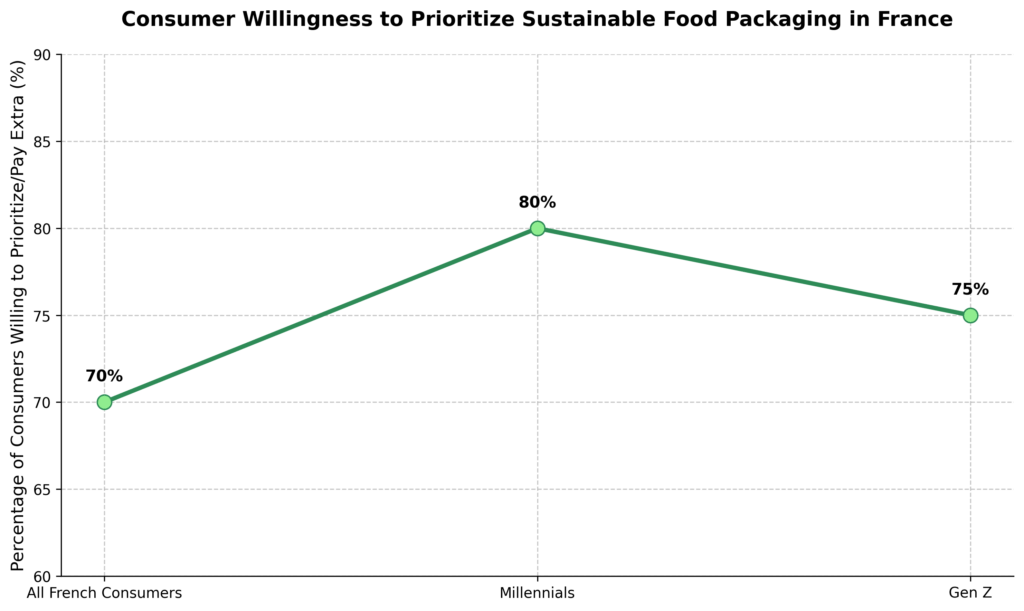
French consumers have shown an increasing preference for eco-friendly food packaging as part of their broader commitment to sustainability. A 2023 survey by France’s environmental agency ADEME revealed that nearly 70% of French consumers prioritize sustainability in their purchasing decisions, particularly when it comes to food packaging. This reflects a growing understanding of the environmental costs associated with traditional plastic packaging and an increased willingness to pay more for products with eco-friendly packaging.
In addition, the shift in consumer preference is not just a trend among environmentally-conscious groups but spans across age groups. However, younger generations, particularly Millennials and Gen Z, are especially vocal in advocating for greener practices. These groups are more likely to support brands that align with their environmental values, including those that adopt eco-friendly food packaging.
Generation-Specific Preferences
Millennials and Gen Z consumers are increasingly driving the demand for sustainable packaging in France. Studies indicate that these generations are more likely to engage with brands that reflect their values, including eco-friendliness. For example, a study conducted by the French Ministry of Environment in 2022 found that 80% of Millennials and 75% of Gen Z respondents were willing to pay extra for food products that use environmentally responsible packaging.
Additionally, social media platforms have amplified the voices of younger consumers who are vocal about their environmental concerns, putting additional pressure on companies to align with these values. As a result, brands are recognizing that sustainability is no longer just a marketing strategy, but a necessity to maintain consumer trust and loyalty.
3. The Eco-Friendly Packaging Materials Popular in France
France is witnessing a rapid shift toward alternative packaging materials as part of the move towards sustainability. Key materials include biodegradable plastics, recycled materials, compostable packaging, and more traditional materials like glass and paper.
Biodegradable Packaging
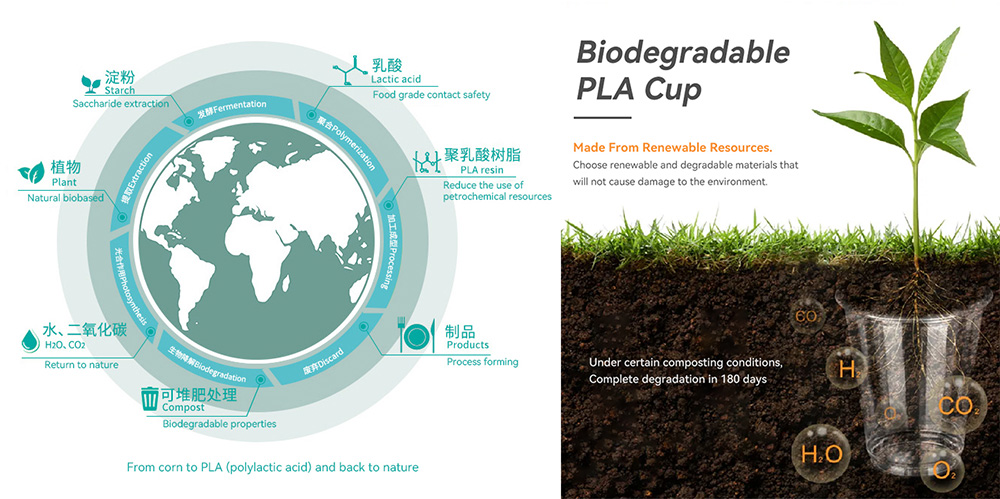
One of the most popular materials for eco-friendly food packaging in France is biodegradable plastic. Materials like PLA (polylactic acid), made from renewable resources such as corn starch, and PHA (polyhydroxyalkanoates) are widely used as alternatives to conventional plastics. These biodegradable plastics break down naturally, reducing environmental harm and waste accumulation.
The use of biodegradable packaging, however, faces challenges in terms of cost and performance. While the environmental benefits are clear, the production cost of biodegradable plastics is higher than that of traditional plastics, making it more expensive for consumers. Furthermore, biodegradable plastics often require specific conditions to break down, which can make them less suitable for certain types of packaging.
Recycled Materials (RPET)
Recycled PET (RPET) is another increasingly popular material in France. RPET is made from recycled plastic bottles, offering a sustainable alternative to virgin plastic. The adoption of RPET in eco-friendly food packaging has gained traction, especially in the beverage industry, where many brands have transitioned to using RPET bottles and containers.
RPET is not only environmentally responsible but also practical in terms of functionality, as it retains many of the characteristics of virgin PET, including strength and clarity. Many French food companies are now utilizing RPET for various packaging needs, ranging from food containers to bottles and cups.
Compostable Packaging
Compostable packaging made from materials like cornstarch and sugarcane bagasse is gaining popularity in France. These materials offer an alternative to traditional plastics and are capable of breaking down in composting conditions, reducing landfill waste.
Compostable packaging is particularly well-suited for food packaging, where hygiene and freshness are essential. However, like biodegradable plastics, compostable packaging presents challenges related to cost, infrastructure for composting, and consumer awareness about proper disposal methods.
Glass and Paper Packaging
In addition to newer materials, glass and paper packaging are making a resurgence in the French market. Glass is a popular choice for premium food products such as jams, sauces, and beverages. Its recyclability and inert properties make it an ideal material for packaging food.
Paper-based packaging is another eco-friendly alternative gaining ground in France, especially for takeout and fast food packaging. Paper is easily recyclable and compostable, making it a favored choice for foodservice establishments that prioritize sustainability.
4. Eco-Friendly Food Packaging Regulations in France
The French government has been proactive in promoting sustainable packaging practices. Several key laws and regulations aim to reduce waste, encourage recycling, and drive the adoption of eco-friendly food packaging.
The AGEC Law
The French Anti-Waste for a Circular Economy (AGEC) Law, passed in 2020, is one of the most significant regulatory initiatives aimed at reducing single-use plastics. The law mandates that food packaging must be recyclable or compostable by 2025, pushing businesses to adopt more sustainable materials.
The AGEC Law also enforces a ban on single-use plastic packaging for fruits and vegetables in supermarkets, requiring that all fresh produce be sold in eco-friendly food packaging by 2026. This move has had a direct impact on consumer behavior, with many now expecting packaging to meet higher environmental standards.
Extended Producer Responsibility (EPR)
The EPR system in France requires producers to take responsibility for the entire lifecycle of their products, including the packaging. This includes ensuring that packaging is recyclable or compostable and contributing to the recycling infrastructure. For food packaging producers, this means investing in sustainable packaging solutions and participating in recycling programs.
The EPR framework has encouraged food packaging companies to explore innovative materials and recycling methods. It has also motivated French consumers to be more mindful of their packaging choices, as they are now aware that producers must handle the end-of-life disposal of their packaging.
Packaging Regulations and Taxes
France has implemented additional regulations, such as taxes on non-recyclable packaging, to incentivize the use of sustainable materials. Companies that use plastic packaging are subject to higher taxes, which has led many food manufacturers to transition to more sustainable alternatives.
5. The Role of French Consumers in Promoting Sustainable Packaging
Consumer Behavior and Advocacy
French consumers have increasingly adopted eco-conscious behaviors, including choosing products with eco-friendly food packaging. Environmental advocacy groups and social media influencers have played a significant role in raising awareness and driving consumer demand for sustainable products.
For example, campaigns like “Zero Waste France” have encouraged people to reduce packaging waste by opting for reusable containers and supporting businesses that use environmentally responsible packaging. These movements have gained significant traction, with many French consumers actively seeking out products that align with their sustainability values.
Willingness to Pay a Premium
Studies suggest that a significant portion of French consumers are willing to pay a premium for products packaged in eco-friendly materials. A 2022 survey by Nielsen indicated that 60% of French consumers are willing to pay more for products with sustainable packaging. This finding highlights the growing importance of eco-friendly packaging as a competitive differentiator in the food industry.
6. Challenges to the Widespread Adoption of Eco-Friendly Food Packaging in France
While the demand for eco-friendly food packaging is increasing, there are several challenges to its widespread adoption in France.
Cost of Eco-Friendly Packaging
The production cost of sustainable packaging materials is higher than that of conventional plastics, which can increase the overall cost of food products. As a result, small and medium-sized food businesses often struggle to afford these packaging alternatives, making it difficult for them to remain competitive in a price-sensitive market.
Durability and Practicality
Eco-friendly food packaging materials, such as biodegradable plastics and compostable options, may not always provide the same durability and performance as traditional plastic. This can pose challenges in packaging perishable foods that require longer shelf lives or more robust packaging.
Logistical and Supply Chain Barriers
The infrastructure for recycling and composting is not always available in all regions of France, making it difficult for consumers to dispose of eco-friendly packaging properly. Moreover, the supply chain for sourcing sustainable packaging materials may not be fully established, particularly for small food producers.
7. Case Studies of Eco-Friendly Packaging Adoption in the French Food Industry
Supermarkets and Retailers
Major supermarkets such as Carrefour and Leclerc have been leading the charge in adopting eco-friendly food packaging. Carrefour, for example, has committed to eliminating all single-use plastic packaging from its private-label products by 2025.
Fast-Food Chains and Restaurants
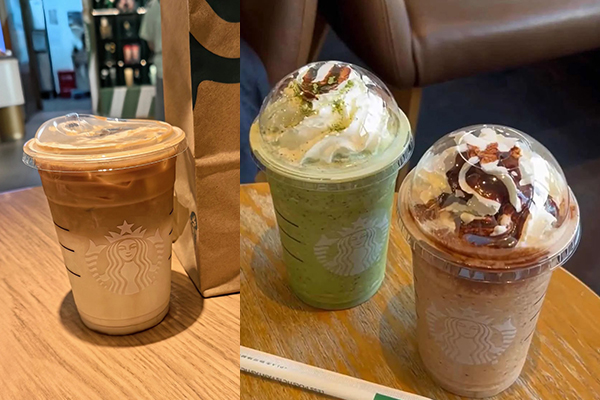
Fast-food chains in France, including McDonald’s and KFC, have started rolling out eco-friendly food packaging across their outlets. These include paper straws, biodegradable containers, and recycled plastic cups.
Small and Medium Enterprises
SMEs in the French food industry have also embraced sustainable packaging, catering to the growing demand for environmentally responsible products. Many small brands are pioneering innovative packaging solutions and finding success in niche markets.
8. The Future of Eco-Friendly Food Packaging in France
The future of eco-friendly food packaging in France looks promising. As technology advances, new materials and processes are emerging that offer both environmental benefits and practical solutions for the food industry. Brands that continue to innovate in the field of packaging will likely capture the growing segment of environmentally conscious consumers.
Conclusion
French consumers are increasingly demanding eco-friendly food packaging, driven by both environmental concerns and the influence of government regulations. The shift toward sustainability in food packaging is not just a trend, but a fundamental change in consumer behavior, reinforced by legislative support and growing consumer awareness. As the market continues to evolve, the demand for sustainable packaging solutions is expected to grow, offering significant opportunities for brands that prioritize environmental responsibility.
FAQ
-
Why is eco-friendly food packaging important for the environment?
Eco-friendly packaging reduces plastic waste, lowers carbon emissions, and promotes sustainability by utilizing renewable or recyclable materials. -
What materials are commonly used for eco-friendly food packaging in France?
Common materials include biodegradable plastics like PLA, compostable packaging, RPET, paper, and glass. -
How does the French government support eco-friendly food packaging adoption?
Through regulations like the AGEC Law, extended producer responsibility (EPR), and taxes on non-recyclable packaging. -
Are French consumers willing to pay more for food products with eco-friendly packaging?
Yes, surveys indicate that many French consumers are willing to pay a premium for products packaged in eco-friendly materials. -
What are the challenges of using eco-friendly food packaging in France?
Challenges include higher costs, durability concerns, and logistical issues related to recycling and composting infrastructure.
References
-
ADEME 2023 Survey on Consumer Preferences.https://www.ademe.fr
-
Ministry of Environment, 2022 Report on Sustainable Packaging in France.https://www.ecologie.gouv.fr
-
Nielsen 2022 Consumer Trends Report.https://www.nielsen.com
Copyright Statement
© 2025 Dashan Packing. All rights reserved.
This article is an original work created by the Dashan Packing editorial team.
All text, data, and images are the result of our independent research, industry experience,
and product development insights. Reproduction or redistribution of any part of this content
without written permission is strictly prohibited.
Dashan Packing is committed to providing accurate, evidence-based information and
to upholding transparency, originality, and compliance with global intellectual property standards.