

Quick Summary
This article provides an in-depth comparison between PP Cups and PET Cups, two of the most widely used materials in disposable beverage packaging. The analysis covers key aspects such as material properties, manufacturing processes, applications, durability, cost efficiency, sustainability, and their environmental impacts.
-
Material Properties: PET is transparent, strong, and resistant to cracking, making it ideal for cold beverages, while PP offers flexibility and heat resistance, making it suitable for hot beverages.
-
Manufacturing: PET cups are typically made through extrusion blow molding, offering high strength and clarity but at a higher cost. PP cups, made through injection molding, are more affordable but less rigid.
-
Applications: PET is commonly used for cold drinks, especially premium beverages that require high transparency, while PP is more suitable for hot beverages like coffee and tea.
-
Sustainability: PET is widely recycled and has a lower environmental footprint, whereas PP is also recyclable but less commonly recycled. Neither material is biodegradable, but both have improved recycling processes.
-
Cost: PP is more cost-effective initially, but PET provides long-term value due to its recyclability and strength.
Ultimately, both materials offer unique advantages depending on the specific needs of the beverage packaging industry, with PP being better for hot beverages and PET excelling in cold beverage packaging.
Introduction
In the food packaging industry, the choice of material plays a critical role in the performance, sustainability, and functionality of the packaging. Two of the most commonly used plastics in the production of disposable beverage cups are PP (Polypropylene) and PET (Polyethylene Terephthalate). These materials are widely used due to their unique properties, cost-effectiveness, and versatility. In this article, we will thoroughly compare PP cups and PET cups, exploring their material properties, manufacturing processes, applications, sustainability, and performance across different use cases.
Material Properties Comparison
| Property | PP (Polypropylene) | PET (Polyethylene Terephthalate) |
|---|---|---|
| Transparency | Translucent, hazy | Clear, high gloss |
| Strength | Good impact resistance | High tensile strength |
| Durability | Resistant to cracking, stiff | High rigidity and durability |
| Temperature Tolerance | Moderate heat resistance (up to ~120°C) | Excellent heat resistance (up to ~70°C) |
| Chemical Resistance | Good resistance to acids and bases | Good resistance to alcohols and oils |
| Flexibility | Flexible, can bend without breaking | Rigid, stiff but more brittle than PP |
1. Transparency and Aesthetic Appeal
-
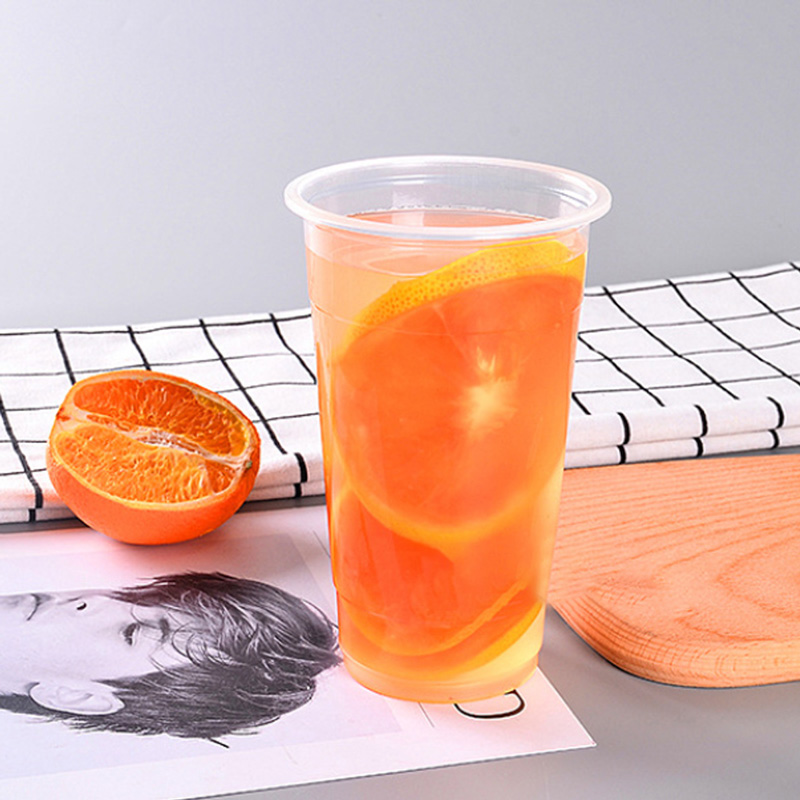
PET cups are renowned for their crystal-clear transparency, which makes them ideal for showcasing beverages such as juices, sodas, or smoothies. The high gloss finish enhances the visual appeal, making them an excellent choice for premium products.
-
PP, on the other hand, offers a more translucent appearance. While this may not be as visually appealing for some high-end beverage applications, it offers a slightly more matte look, which could appeal to brands aiming for a more subtle aesthetic.
2. Strength and Durability
-
PET cups have a higher tensile strength than PP cups, making them more durable under pressure. This is one reason why PET is often used for products that need to maintain their shape during transport or storage.
-
PP, being a more flexible material, is less brittle and more resistant to cracking under lower stress, but it doesn’t provide the same rigidity or strength as PET.
Manufacturing Process and Cost Efficiency
Both PP and PET cups are produced through injection molding or thermoforming processes, but the specific techniques and the cost of production vary.
Injection Molding
-
PP cups are often produced using injection molding, which is cost-effective for large batches. The material is heated until it becomes pliable, and then injected into molds.
-
PET cups are typically made using extrusion blow molding or stretch blow molding, which requires more advanced technology but produces stronger, more rigid cups.
Cost Consideration
-
PP is generally cheaper than PET. However, the costs associated with PET can vary based on the clarity and thickness of the material.
| Process | PP (Polypropylene) | PET (Polyethylene Terephthalate) |
|---|---|---|
| Cost per unit | Lower cost | Higher cost due to production process |
| Molding process | Injection molding | Extrusion blow molding, Stretch blow molding |
| Cycle Time | Shorter molding cycle time | Longer molding cycle time |
Applications of PP and PET Cups
1. Beverage Packaging
-
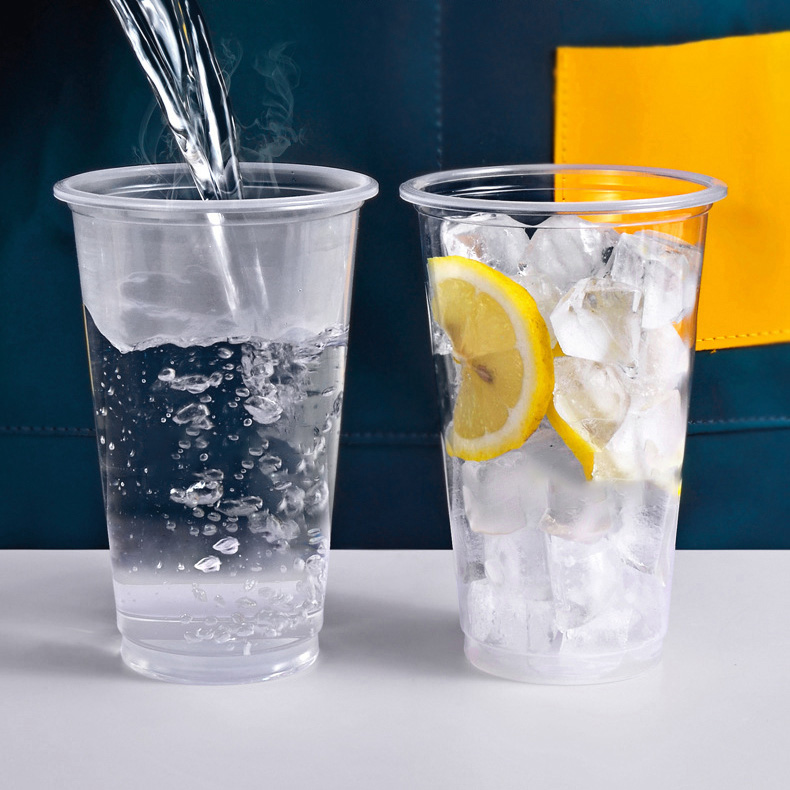
PET cups are often preferred in cold beverage packaging due to their clarity, durability, and resistance to cracks. PET is a material of choice for packaging sodas, fruit juices, and iced drinks, making it ideal for restaurants, cafes, and retail.
-
PP cups, on the other hand, are used for packaging beverages that require moderate heat resistance, such as coffee (iced), iced tea, and smoothies. They are also commonly used for foodservice applications.
2. Hot Beverage Cups
-
PP cups are better suited for hot beverages due to their superior heat resistance. They are commonly used in the foodservice industry for coffee, tea, and hot chocolate.
-
PET cups are not recommended for hot beverage packaging since they can soften at high temperatures. Thus, PET cups are more suitable for cold drinks.
Sustainability and Environmental Impact
With the rising demand for sustainable packaging, both PP and PET are subject to increasing scrutiny due to their environmental impact. The key difference lies in their recyclability and biodegradability.
1. Recycling and Reusability
-
PET is one of the most widely recycled plastics in the world. It is highly recyclable and can be reprocessed into new products like fibers for clothing or new plastic containers (e.g., RPET).
-
PP is also recyclable but is less commonly recycled compared to PET. It is, however, more readily accepted in curbside recycling programs and has a lower environmental footprint.
2. Biodegradability
Neither PP nor PET is biodegradable. However, PP has a slight edge when it comes to eco-friendliness because it is generally regarded as less harmful when it eventually breaks down.
| Sustainability Factor | PP (Polypropylene) | PET (Polyethylene Terephthalate) |
|---|---|---|
| Recyclability | Easily recyclable but less common | Highly recyclable, widespread recovery |
| Biodegradability | Non-biodegradable | Non-biodegradable |
| Carbon Footprint | Lower footprint | Slightly higher footprint |
Performance in Foodservice Applications
Both PP and PET cups play crucial roles in the foodservice industry, especially in takeout and fast-casual dining.
-
PP cups are great for single-serve packaging for hot beverages, and their resistance to cracking makes them a great option for mobile food applications.
-
PET cups dominate in the cold drink market, especially for premium offerings where product visibility and packaging strength are key concerns.
Cost Comparison
When evaluating the cost-effectiveness of PP vs PET cups, PP tends to be more affordable upfront, but PET can offer better long-term value due to its strength, clarity, and recyclability.
| Feature | PP (Polypropylene) | PET (Polyethylene Terephthalate) |
|---|---|---|
| Initial Cost | Lower | Higher |
| Recyclability | Limited | Widely recycled |
| Long-Term Value | Moderate | High due to recyclability and strength |
FAQ Section
1. Are PET cups better for cold or hot beverages?
-
PET cups are better for cold beverages as they can crack under heat. For hot beverages, PP cups are preferred.
2. Can PP and PET cups be recycled?
-
Yes, both PP and PET are recyclable, though PET is more widely accepted in recycling programs.
3. Are PP cups environmentally friendly?
-
PP cups are recyclable but are less likely to be recycled compared to PET. However, they are generally considered less harmful to the environment than other plastics.
4. Which type of cup is more durable for transportation?
-
PET cups are more durable and less prone to cracking under stress, making them ideal for transport.
5. Can you use PET cups for hot coffee?
-
No, PET cups are not suitable for hot drinks because they can distort or weaken when exposed to high temperatures.
6. Are PP cups suitable for freezing?
-
PP cups are more resistant to cold temperatures compared to PET, making them a better choice for frozen beverages or foods.
7. Which is better for showcasing beverages: PET or PP?
-
PET cups are superior for showcasing beverages due to their clarity and glossy finish, making the drink more visually appealing.
Conclusion
Both PP and PET cups have their distinct advantages depending on the application. PP offers flexibility, affordability, and heat resistance, making it a strong candidate for hot beverage packaging. PET, on the other hand, is the preferred choice for cold beverages due to its transparency, strength, and recyclability. As sustainability becomes an increasingly important consideration in the packaging industry, both materials continue to evolve with innovations in recycling technologies and bio-based alternatives.
References:
-
Plastics Technology
Copyright Statement
© 2026 Dashan Packing. All rights reserved.
This article is an original work created by the Dashan Packing editorial team.
All text, data, and images are the result of our independent research, industry experience,
and product development insights. Reproduction or redistribution of any part of this content
without written permission is strictly prohibited.
Dashan Packing is committed to providing accurate, evidence-based information and
to upholding transparency, originality, and compliance with global intellectual property standards.