

Quick Summary
Cornstarch blends and CPLA are two widely used plant-based materials in biodegradable tableware, but they differ in performance and application. Cornstarch blends are generally cost-effective and suitable for cold or room-temperature food service, while CPLA (Crystallized Polylactic Acid) offers higher heat resistance and mechanical strength, making it better for hot food and beverage applications.
Both materials are derived from renewable resources and are typically industrially compostable under standards such as ASTM D6400 and EN 13432. However, their environmental benefits depend heavily on proper composting infrastructure and responsible waste management systems. Selecting the right material requires balancing functionality, sustainability goals, cost, and regulatory compliance.
As global regulations tighten around single-use plastics and consumers demand environmentally responsible alternatives, biodegradable tableware has become a fast-growing segment in the foodservice and retail packaging industries. Among the most commonly used materials are cornstarch-based compounds and CPLA (Crystallized Polylactic Acid).
Although these materials are often grouped together under the umbrella of “bioplastics,” their performance characteristics, environmental profiles, and ideal applications differ significantly. A clear understanding of these differences is essential for food brands, distributors, and procurement managers making material decisions.
1. What Is Cornstarch Tableware?
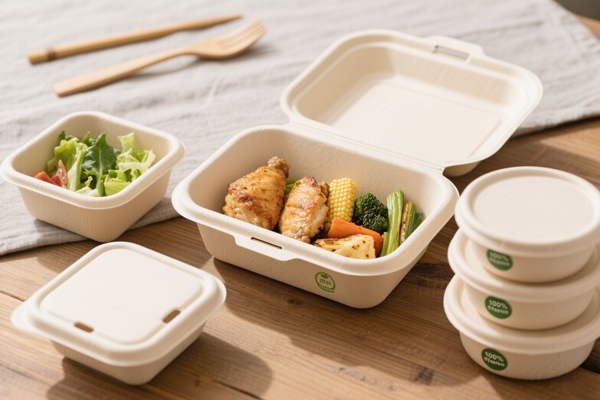
Cornstarch tableware typically refers to products made from plant-based starch blends. These materials are often compounded with biodegradable polymers (such as PBAT or PLA) to improve mechanical strength and processability.
Key Characteristics
-
Derived from renewable agricultural resources
-
Typically opaque with a matte surface
-
Moderate rigidity
-
Limited high-temperature resistance
-
Suitable for cold or room-temperature food
Cornstarch materials are widely used in:
-
Disposable cutlery
-
Plates and bowls
-
Clamshell containers
-
Tray liners
However, performance varies significantly depending on formulation.
2. What Is CPLA?
CPLA stands for Crystallized Polylactic Acid. It is derived from PLA (Polylactic Acid), which is produced through fermentation of plant sugars (usually corn). The crystallization process enhances heat resistance and mechanical strength.
Unlike standard PLA, which softens at relatively low temperatures (~50–60°C), CPLA undergoes controlled crystallization to increase its heat distortion temperature.
Key Characteristics
-
Bio-based polymer derived from plant sugars
-
Improved thermal stability
-
Higher rigidity and strength
-
Suitable for hot food applications
-
Industrially compostable
CPLA is commonly used for:
-
Hot beverage lids
-
High-heat cutlery
-
Hot food containers
-
Airline and catering tableware
3. Performance Comparison
The choice between cornstarch blends and CPLA often depends on mechanical performance, heat resistance, and end-use conditions.
Table 1: Mechanical and Thermal Performance Comparison
| Property | Cornstarch Blend | CPLA |
|---|---|---|
| Primary Raw Material | Corn starch + biodegradable additives | PLA (plant sugar-derived) |
| Heat Resistance | 70–90°C (varies by formulation) | 85–100°C |
| Rigidity | Moderate | High |
| Impact Strength | Moderate | Higher |
| Suitable for Hot Liquids | Limited | Yes |
| Microwave Tolerance | Generally not recommended | Limited (short-term heat exposure only) |
CPLA clearly performs better in high-heat applications, while cornstarch blends may offer cost advantages for cold-service items.
4. Sustainability Considerations
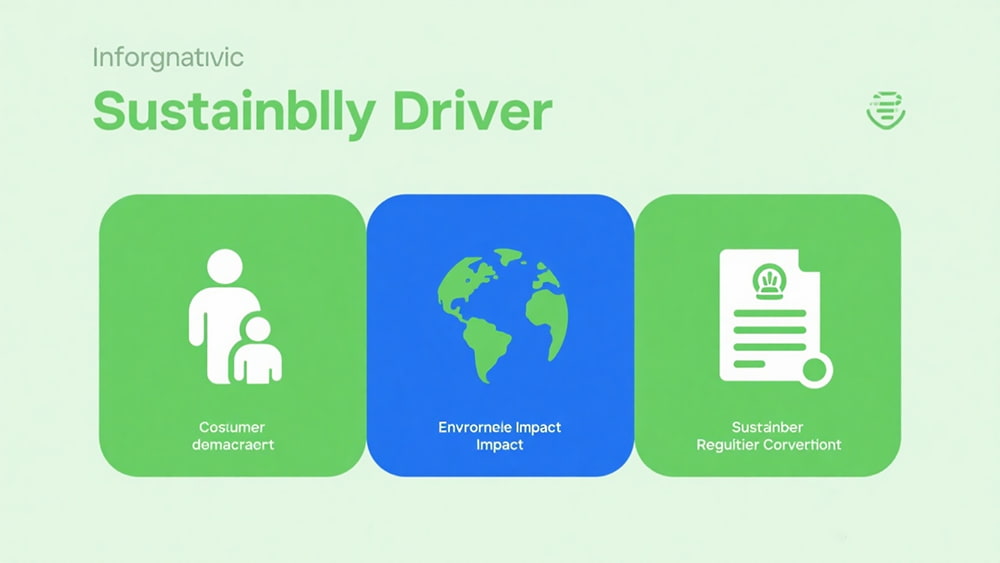
Both materials are derived from renewable resources, but sustainability assessments require deeper analysis.
4.1 Renewable Resource Base
Both materials rely on agricultural feedstocks, primarily corn. This reduces dependence on fossil fuels compared to conventional plastics such as polypropylene (PP) or polystyrene (PS).
4.2 Compostability
CPLA and many cornstarch blends are certified industrially compostable under standards such as:
-
EN 13432 (EU)
-
ASTM D6400 (US)
However, they typically require controlled composting facilities with elevated temperatures (above 55°C) to degrade efficiently.
Table 2: Sustainability Factors
| Factor | Cornstarch Blend | CPLA |
|---|---|---|
| Renewable Content | High | High |
| Fossil Fuel Reduction | Yes | Yes |
| Industrial Compostable | Yes (if certified) | Yes |
| Home Compostable | Rare | Rare |
| Recyclable in Conventional Streams | No | No |
| Degradation Time (Industrial Compost) | 90–180 days | 90–180 days |
Neither material is biodegradable in marine or landfill environments under normal conditions.
5. Environmental Trade-Offs
While plant-based materials reduce fossil resource dependency, several considerations remain:
-
Agricultural land use
-
Fertilizer and water inputs
-
Industrial composting infrastructure availability
-
Contamination risk in recycling streams
Organizations such as the European Commission emphasize that compostable plastics must align with waste management systems to deliver environmental benefits.
Similarly, the U.S. Environmental Protection Agency notes that material substitution alone does not guarantee lower lifecycle emissions; system integration is essential.
6. Application-Based Material Selection
Material choice should be driven by application requirements.
6.1 Cold Food Service
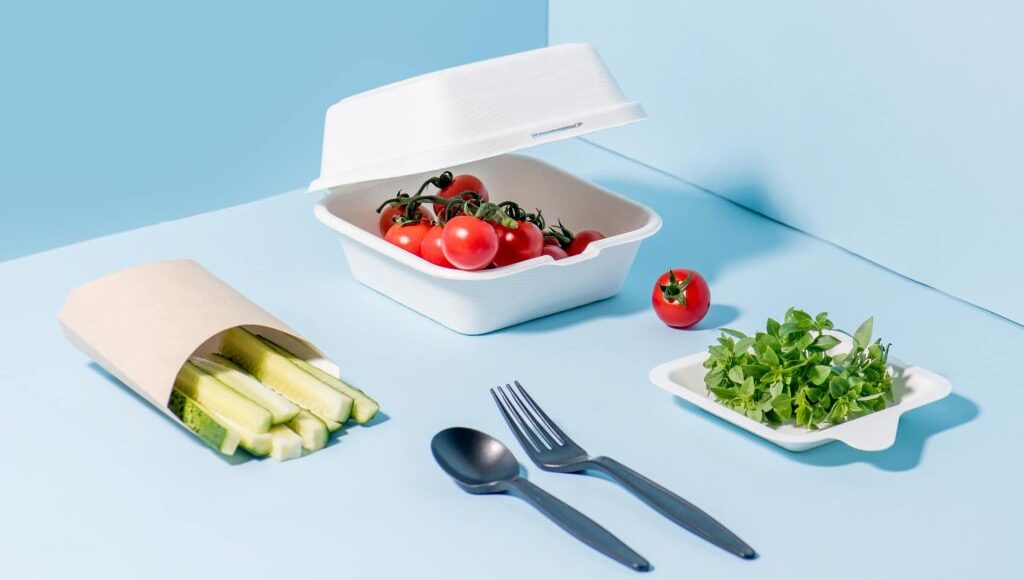
Best suited material:
-
Cornstarch blends
Examples:
Advantages:
-
Cost-effective
-
Adequate strength for light-duty use
6.2 Hot Food and Beverage Service
Best suited material:
-
CPLA
Examples:
-
Hot coffee cup lids
-
Airline hot meal cutlery
-
Soup containers
-
Catering cutlery
Advantages:
-
Superior heat resistance
-
Better structural integrity under load
-
Reduced deformation risk
7. Cost Considerations
Cost structures depend on:
-
Resin pricing
-
Processing method (injection molding vs thermoforming)
-
Additive systems
-
Regional supply chain availability
Generally:
-
Cornstarch blends are slightly lower in cost for standard items
-
CPLA carries higher material cost but offers improved performance
Procurement teams must balance upfront cost with functional reliability and brand positioning.
8. Regulatory and Market Drivers
Many regions are restricting petroleum-based single-use plastics. Compostable tableware is gaining traction in:
-
Europe
-
North America
-
Australia
-
Parts of Asia
Public institutions and airlines are early adopters due to sustainability commitments.
Compliance with food-contact regulations remains mandatory. Both materials must meet migration limits and safety standards.
9. Key Decision Framework
Table 3: Quick Selection Guide
| Scenario | Recommended Material |
|---|---|
| Cold dessert service | Cornstarch Blend |
| Hot beverage lid | CPLA |
| Airline hot meal | CPLA |
| Event catering (mixed temperature) | CPLA preferred |
| Budget-driven cold service | Cornstarch Blend |
10. Future Outlook
Innovation in biodegradable polymers continues to evolve:
-
Improved crystallization techniques for CPLA
-
Enhanced cornstarch composite formulations
-
Development of home-compostable variants
-
Integration with circular waste systems
As composting infrastructure expands, the market for plant-based disposable tableware is expected to grow.
However, successful adoption requires:
-
Performance reliability
-
Verified compostability certification
-
Clear consumer labeling
-
Alignment with local waste systems
FAQ
1. What is the main difference between cornstarch and CPLA tableware?
Cornstarch blends are starch-based composite materials suited for cold applications, while CPLA is crystallized PLA with enhanced heat resistance and strength, making it more suitable for hot food and beverages.
2. Is CPLA stronger than cornstarch-based products?
Yes. The crystallization process improves CPLA’s rigidity and heat distortion temperature, allowing it to maintain structural integrity under higher temperatures compared to most cornstarch blends.
3. Are cornstarch and CPLA products compostable?
Most certified products made from these materials are industrially compostable under standards such as ASTM D6400 and EN 13432. However, they typically require controlled composting facilities and are not suitable for home composting.
4. Can these materials be recycled?
No. Cornstarch blends and CPLA cannot be recycled in conventional plastic recycling streams and may contaminate recycling if improperly sorted.
5. Which material is better for hot drinks?
CPLA is the better choice for hot beverages due to its higher thermal stability and resistance to deformation.
6. Are plant-based materials automatically environmentally friendly?
Not necessarily. While they reduce reliance on fossil fuels, lifecycle impact depends on agricultural inputs, manufacturing emissions, and availability of composting infrastructure. The U.S. Environmental Protection Agency emphasizes that waste management compatibility is essential for achieving environmental benefits.
Conclusion
Cornstarch blends and CPLA are both viable alternatives to conventional plastics in biodegradable tableware, but they are not interchangeable.
Cornstarch blends offer affordability and suitability for cold-service applications. CPLA provides superior heat resistance and mechanical strength, making it ideal for hot food and beverage use.
Sustainability outcomes depend not only on material origin but also on end-of-life management systems. Businesses must evaluate performance, cost, regulatory compliance, and infrastructure compatibility before selecting a material.
Understanding these distinctions enables more informed, responsible, and commercially sound decisions in the growing biodegradable tableware market.
References
-
U.S. Environmental Protection Agency – Composting and sustainable materials guidance
https://www.epa.gov/smm/composting-home -
European Commission – EU policy framework on sustainable plastics and circular economy
https://environment.ec.europa.eu/topics/plastics_en -
ASTM International – ASTM D6400 Standard Specification for Compostable Plastics
https://www.astm.org/d6400-21.html -
European Bioplastics – Industrial compostability standards (EN 13432)
https://www.european-bioplastics.org/bioplastics/standards/
Copyright Statement
© 2025 Dashan Packing. All rights reserved.
This article is an original work created by the Dashan Packing editorial team.
All text, data, and images are the result of our independent research, industry experience,
and product development insights. Reproduction or redistribution of any part of this content
without written permission is strictly prohibited.
Dashan Packing is committed to providing accurate, evidence-based information and
to upholding transparency, originality, and compliance with global intellectual property standards.