

Quick Summary
Effective fresh food packaging slows spoilage by managing oxygen, moisture, light, and handling stresses. This guide explains barrier films, MAP/VSP, breathable designs for produce, and high-barrier trays for ready meals—plus practical steps brands can use to cut waste and costs. As a professional manufacturer, DASHAN offers recyclable and compostable solutions and invites you to explore our capabilities.
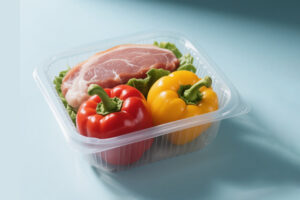
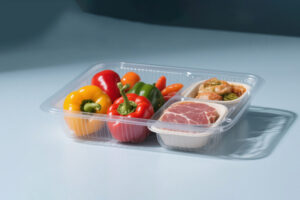
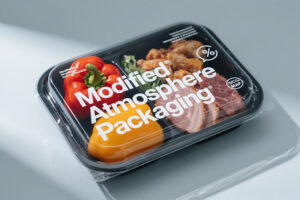
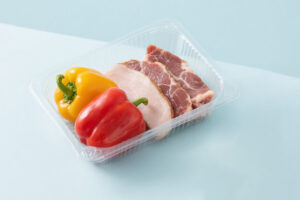
Why Fresh Food Packaging Matters
Well-designed fresh food packaging protects flavor, safety, and shelf life.
-
Barrier protection: Limits oxygen/contaminants and aroma loss.
-
Moisture control: Prevents staling or sogginess to stabilize texture.
-
Shelf-life extension: Reduces shrink, returns, and out-of-stocks.
-
Temperature tolerance: Maintains integrity through cold-chain logistics.
-
Shelf impact & safety cues: Clear windows, tamper evidence, storage labels.
Business benefits
-
Lower write-offs and complaints
-
Higher sell-through and customer satisfaction
-
Reduced total landed cost via less waste
The Mechanics of Keeping Food Fresh
H2: Core Levers
-
Gas control (O₂/CO₂/N₂): Slows oxidation and aerobic growth.
-
Moisture activity (aw): Films/absorbers balance humidity.
-
Light filtration: Shields color, nutrients, and fats from UV/visible light.
-
Mechanical protection: Rigid trays reduce bruising and leakage.
-
Hygienic sealing: Food-contact compliance, clean seals, tamper evidence.
H3: Common Technologies
-
MAP (Modified Atmosphere Packaging)
-
VSP (Vacuum Skin Packaging)
-
Laser micro-perforation for respiring produce
-
Active packaging (O₂/ethylene scavengers, moisture regulators)
-
Smart indicators (time–temperature/freshness labels)
Choosing Materials by Food Type
H2: Material Options
-
High-barrier plastics (e.g., PET/PE, PA/PE, EVOH laminates):
Best for meats, seafood, and ready meals needing strong oxygen/aroma barriers. -
Compostable/biobased (e.g., PLA, coated paper/fiber):
Suitable for salads, bakery, and produce—when barrier and end-of-life match local infrastructure. -
Paperboard & fiber:
For dry/semi-moist foods; add barrier coatings or liners when needed. -
Foil/metallized films:
Superior light/oxygen barrier for coffee, snacks, and sensitive fats.
Tip: Match barrier and mechanics to the food’s water activity, fat content, and respiration, and to your region’s recycling/composting routes.
Best-Fit Packaging by Category
H2: Fruits & Vegetables (Still Respiring)
Goals: controlled gas exchange, anti-fog optics, humidity balance.
Good choices:
-
Micro-perforated films tailored to variety and storage temperature
-
Compostable produce trays with breathable lidding
-
MAP for cut produce to slow browning and texture loss
Checklist:
-
Measure respiration rate at actual storage temps.
-
Specify hole size/density or laser pattern for target in-pack O₂/CO₂.
-
Validate shelf life with abuse-temperature and distribution tests.
H2: Ready-to-Eat & Ready Meals
Goals: flavor retention, microbial control, clean peel, leak resistance.
Good choices:
-
Multi-compartment high-barrier trays to separate wet/dry components
-
Easy-peel lidding films for convenience
-
VSP or MAP to reduce oxygen, purge, and aroma loss
Validation plan
-
Microbiological + sensory shelf-life studies
-
Vibration/drop testing and temperature cycling simulating the route to shelf
Inside Modified Atmosphere Packaging (MAP)
H2: Typical Gas Mixes
-
Elevated CO₂: Suppresses aerobic bacteria/molds (useful for meats).
-
Reduced O₂: Slows oxidation and respiration (greens, cut produce).
-
N₂ (inert): Displaces O₂ and moisture; stabilizes headspace.
H3: Benefits of MAP
-
Extends freshness without added preservatives
-
Supports color stability (e.g., myoglobin states), texture retention
-
Cuts waste in distribution and retail
Execution matters: film barrier, gas ratio, seal integrity, and cold chain must all align.
How Better Packaging Reduces Food Waste
H2: A Practical Playbook
-
Adopt MAP/VSP where oxygen control drives shrink.
-
Right-size & reclose: Portionable packs, reclosable lids for partial use.
-
Clear storage guidance: On-pack instructions reduce misuse at home.
-
Choose circular materials: Recyclable or certified compostable where viable.
-
Use intelligent indicators: Provide real freshness signals beyond date codes.
H3: Implementation Steps
-
Identify waste “hot spots” by SKU, season, and store.
-
Pilot 2–3 concepts with A/B shelf tests.
-
Track shrink, complaints, sensory, and cost-to-serve.
-
Scale the winner and maintain consumer education.
Why Work With DASHAN?
As a professional manufacturer, DASHAN supplies recyclable PET high-barrier trays, compostable PLA/fiber solutions, easy-peel lidding films, and MAP-ready formats for produce and prepared meals. Learn more about our engineering, audits, and export capability on our company profile: https://www.dashanpacking.com/company-profile/.
(We can also integrate corn starch–based trays where appropriate to support sustainability goals.)
FAQs
What is fresh food packaging?
Answer: It’s the combination of materials, pack formats, and sealing/gas-control methods that keep perishables safe and high-quality by managing oxygen, moisture, light, and handling stress.
How does MAP extend shelf life?
Answer: By replacing air with a tailored mix (higher CO₂, lower O₂), fresh food packaging using MAP slows microbial growth and oxidation, provided the cold chain is maintained.
Which materials are best for produce?
Answer: Breathable or laser-micro-perforated films and vented trays tuned to the crop’s respiration; for cut produce, pair with anti-fog lidding and MAP.
Is compostable packaging as effective as plastic?
Answer: It can be—if barrier and mechanics match the food’s needs and you validate shelf life. Also ensure realistic end-of-life (industrial composting or paper recycling where applicable).
What’s the quickest way to cut waste with packaging?
Answer: Target high-shrink SKUs first, deploy MAP/VSP or breathable designs, add reclosable features, improve storage guidance, and iterate based on shrink and sensory data.
Conclusion
So—does fresh food packaging keep food fresh longer? Yes. When you align fresh food packaging (barrier, permeability, MAP/VSP, sealing) with product needs and cold-chain realities, you extend shelf life, reduce waste, and deliver a better eating experience. As a manufacturer, DASHAN helps brands implement validated, sustainable solutions that pay back through lower shrink and higher customer loyalty.
References
-
Wikipedia Contributors. “Modified Atmosphere.” https://en.wikipedia.org/wiki/Modified_atmosphere
-
Wikipedia Contributors. “Vacuum Packing.” https://en.wikipedia.org/wiki/Vacuum_packing
-
USDA FSIS. “Food Product Dating.” https://www.fsis.usda.gov/food-safety/safe-food-handling-and-preparation/food-product-dating
-
FAO. “The State of Food Loss and Waste.” https://www.fao.org/platform-food-loss-waste
-
U.S. FDA. “Packaging & Food Contact Substances (FCS).” https://www.fda.gov/food/packaging-food-contact-substances
-
EFSA Panel on Food Contact Materials. “Food Contact Materials.” https://www.efsa.europa.eu/en/topics/topic/food-contact-materials
-
Brody, A. L., et al. Active Packaging for Food Applications. https://doi.org/10.1002/9780470277815
-
Robertson, G. L. Food Packaging: Principles and Practice. https://www.routledge.com/Food-Packaging/Robertson/p/book/9781439862414
-
Han, J. H. Innovations in Food Packaging. https://www.sciencedirect.com/book/9780123946010/innovations-in-food-packaging
-
Helander, A., et al. “Laser microperforation for fresh produce packaging.” Postharvest Biology and Technology. https://doi.org/10.1016/j.postharvbio.2006.10.006