

Quick Summary
PLA cups, made from renewable resources like corn or sugarcane, offer an eco-friendly alternative to traditional plastic cups. These biodegradable cups are ideal for cold beverages and have a significantly lower carbon footprint during production compared to petroleum-based plastics. PLA cups decompose in industrial composting facilities but are not suitable for hot drinks due to their temperature sensitivity.
Key advantages of PLA cups include biodegradability, renewable sourcing, and a reduced environmental impact. However, they require specific composting conditions to break down and are not recyclable in standard plastic recycling streams. PLA cups are highly customizable, making them popular for businesses looking to promote their brand through sustainable packaging.
Despite their benefits, the adoption of PLA cups faces challenges, including limited composting infrastructure and consumer awareness. Overall, PLA cups are a sustainable choice for businesses seeking to reduce their environmental footprint while providing functional and eco-friendly packaging for cold beverages.
Introduction
Polylactic Acid (PLA) cups have become increasingly popular as a sustainable alternative to traditional plastic cups made from petroleum-based materials. These cups, derived from renewable resources like corn starch or sugarcane, are biodegradable and compostable under the right conditions. As businesses and consumers alike seek eco-friendly packaging solutions, PLA cups offer an attractive alternative that aligns with sustainability goals. This article addresses common questions about PLA cups, their environmental impact, uses, limitations, and best disposal practices.
Section 1: What are PLA Cups?
Definition of PLA
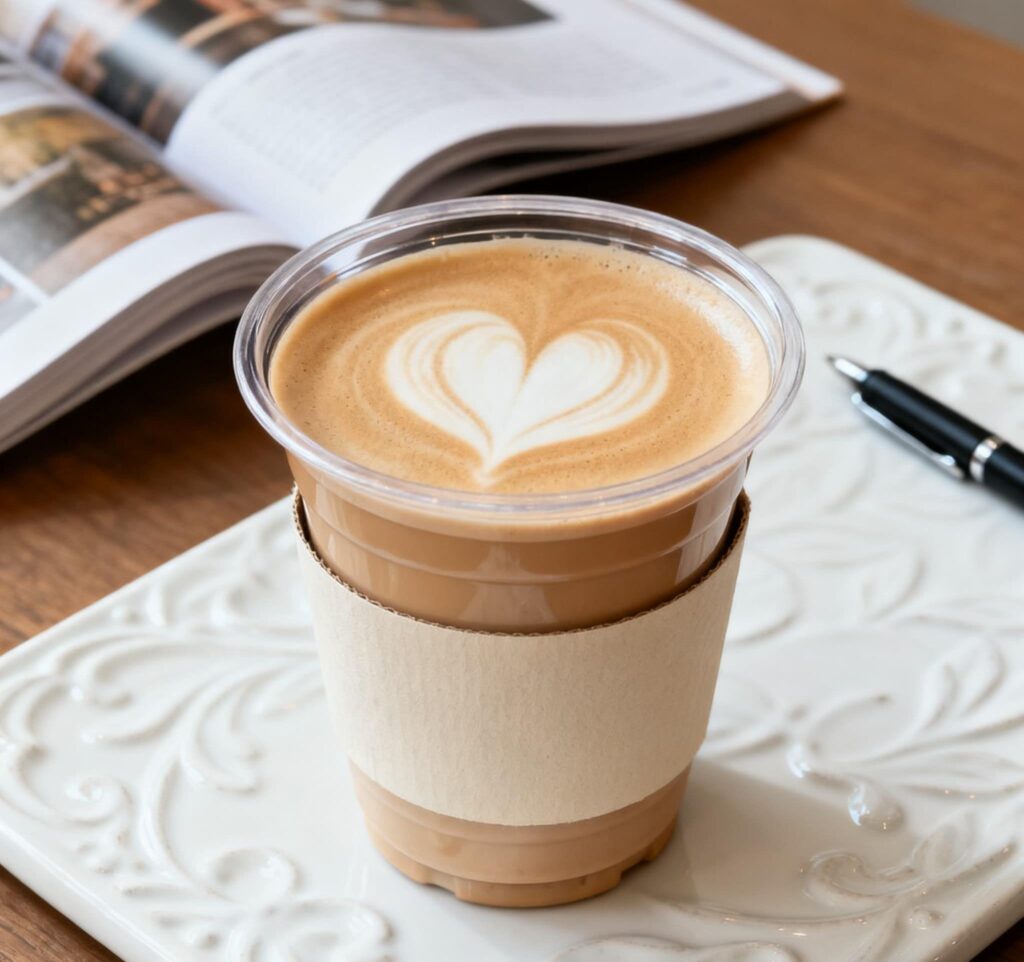
PLA (Polylactic Acid) is a biodegradable thermoplastic made from renewable plant resources such as corn starch, sugarcane, or cassava. PLA cups are molded using the process of thermoforming or injection molding. They are commonly used for cold beverages in cafes, juice bars, and foodservice establishments due to their eco-friendly properties.
Manufacturing Process
PLA is produced through a multi-step process:
-
Extraction of Starch: The starch from plants like corn is extracted.
-
Fermentation: The starch is fermented to create lactic acid.
-
Polymerization: The lactic acid undergoes polymerization to form PLA resin.
-
Molding: The resin is molded into the desired shape, such as cups, plates, or other foodservice items.
This process produces a material that is both biodegradable and derived from a renewable resource, making it an environmentally friendly option for single-use packaging.
Environmental Impact
One of the main reasons for the rise in popularity of PLA cups is their environmental impact when compared to traditional plastic cups made from petroleum-based plastics (like PET). PLA cups are biodegradable, meaning they break down into natural elements when exposed to appropriate composting environments. In contrast, conventional plastics can take hundreds of years to decompose, contributing to long-term environmental pollution.
PLA cups also have a lower carbon footprint during production, as the raw materials are plant-based rather than petrochemical-based, reducing the reliance on fossil fuels.
Key Benefits of PLA Cups
-
Biodegradable: PLA cups decompose in industrial composting facilities, returning to natural materials.
-
Renewable Resources: Made from plant-based materials, PLA cups are a renewable alternative to petroleum-based plastics.
-
Low Carbon Footprint: The manufacturing process of PLA cups results in fewer CO2 emissions compared to traditional plastic cups.
-
Non-Toxic: PLA cups do not contain harmful chemicals like BPA, which can leach into food and beverages.
Section 2: Why Are PLA Cups Considered Eco-Friendly?
Biodegradability and Compostability
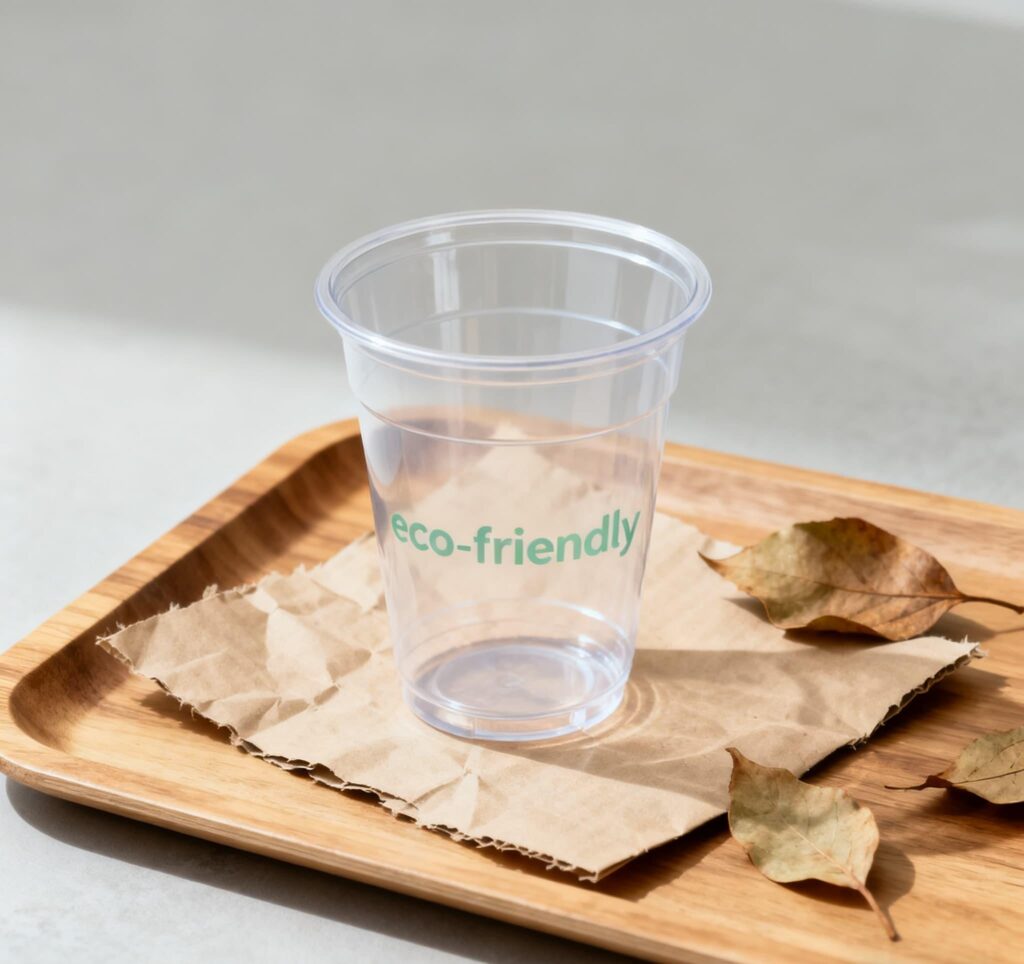
PLA cups are biodegradable, meaning they break down into carbon dioxide and water when exposed to microbial activity in an appropriate environment. However, they require industrial composting conditions (high heat and humidity) to degrade properly. In these controlled conditions, PLA cups can break down in approximately 1-3 months, compared to conventional plastics that may take hundreds of years.
In home composting, PLA may not decompose as quickly due to lower temperatures, so it is crucial that these cups are sent to industrial composting facilities equipped to handle bioplastics.
Renewable Resources
PLA is made from crops like corn, which are renewable resources. Unlike fossil fuel-based plastics that depend on non-renewable petroleum, PLA cups help reduce our reliance on oil-based products. Additionally, the crops used to produce PLA absorb carbon dioxide during growth, offering a form of carbon sequestration that contributes to reducing atmospheric CO2 levels.
Carbon Footprint Reduction
When compared to traditional plastic cups, PLA cups generate significantly fewer greenhouse gases (GHGs) during production. According to a study published in Environmental Science and Technology, the carbon footprint of PLA is approximately 30-50% lower than that of petroleum-based plastics. This reduction in GHG emissions is a critical factor in mitigating climate change and promoting sustainability in packaging.
Comparison with Other Bioplastics
PLA is just one type of bioplastic. Other alternatives include Polyhydroxyalkanoates (PHA) and Polybutylene adipate terephthalate (PBAT). However, PLA is often preferred for cold beverage cups due to its lower cost and easier processing. While PLA is a sustainable option, it is still important to choose the right bioplastic for specific applications to maximize environmental benefits.
Section 3: Common Misconceptions About PLA Cups
PLA and Recycling
A common misconception about PLA cups is that they are recyclable in standard plastic recycling facilities. PLA is a type of bioplastic, and it requires specialized composting facilities to break down properly. Recycling facilities that process conventional plastics like PET or PVC typically cannot process PLA, and placing it in these recycling bins can contaminate the entire batch of recyclables.
To avoid this, it is important to check for local composting or recycling facilities that can properly handle PLA. Many municipalities are now adding bioplastics collection streams to waste disposal systems, which helps ensure proper disposal.
PLA vs. Traditional Plastic
PLA cups are often compared to PET cups, which are made from petroleum-based plastic. While PLA cups are biodegradable, PET cups are not, and PET requires hundreds of years to break down in the environment. However, PLA cups are less durable than PET cups, and they are not suitable for hot beverages.
PLA in Landfills
Another misconception is that PLA cups will break down in landfills. In reality, PLA cups do not decompose efficiently in landfills due to the lack of oxygen and proper microbial activity. If PLA cups end up in a landfill, they will take much longer to degrade. This is why industrial composting facilities are the preferred method for PLA disposal.

Section 4: What Are the Limitations of PLA Cups?
Temperature Sensitivity
PLA cups are only suitable for cold beverages because they lack the heat resistance necessary to handle hot liquids. PLA starts to soften at around 60°C (140°F), which is well below the temperature of most hot beverages like coffee or tea. Using PLA cups for hot drinks could result in deformation or leaks.
For hot beverage applications, PET or other plastic materials are more appropriate. There are also alternatives made from sugarcane bagasse or paper that are designed to hold hot liquids.
Shelf Life and Durability
PLA cups are relatively durable for short-term use, but they are less robust than traditional plastic cups. They are more prone to cracking and breaking, especially when exposed to moisture for long periods. PLA cups also have a shorter shelf life compared to PET or PP cups, as they can degrade over time, especially under high humidity conditions.
PLA cups are not recommended for packaging products that need to maintain long-term durability, such as in food storage or transportation.
Composting Conditions
While PLA cups are biodegradable, they require specific conditions to decompose properly. Industrial composting facilities that maintain temperatures between 55-65°C (131-149°F) are required for PLA cups to break down effectively. In many regions, industrial composting facilities are not widely available, which limits the widespread adoption of PLA.
Section 5: Customization Options for PLA Cups
PLA cups are highly customizable, making them suitable for branding and promotional uses. Here are some of the most common customization options for PLA cups:
Printing and Branding
PLA cups can be printed with custom logos, text, and artwork using various printing techniques like flexographic printing or screen printing. This is ideal for coffee shops, juice bars, or any business that wants to showcase their brand.
Size Variations
PLA cups come in a wide range of sizes to suit different beverage needs. Here’s a table outlining the most common sizes and their applications:
| Size (oz) | Volume (ml) | Uses |
|---|---|---|
| 3 | 90 | Espresso, small samples |
| 7 | 210 | Small iced beverages |
| 12 | 355 | Regular cold beverages |
These sizes make PLA cups suitable for serving small to medium-sized cold drinks. Larger beverages may require different packaging options, like PET or paper cups.
Lid Compatibility
PLA cups can be paired with a variety of lids, including flat and dome lids, to seal the cups and prevent spills. For instance, PLA lids such as the 78F and 78D models fit perfectly with 78 Series PLA cups.
Section 6: Applications of PLA Cups in the Beverage Industry
PLA cups are widely used in various sectors of the beverage industry, particularly for cold drinks. They are ideal for:
-
Juice Bars: Serving cold, refreshing juices or smoothies.
-
Coffee Shops: Offering iced coffee or iced tea.
-
Fast-Food Chains: Ideal for iced beverages or other cold foodservice applications.
The popularity of PLA cups continues to rise as consumers demand more eco-friendly alternatives.

Section 7: How to Properly Dispose of PLA Cups
Composting
The best way to dispose of PLA cups is through composting. Many large cities have industrial composting facilities that can process PLA cups along with food waste. These facilities maintain the ideal conditions necessary for PLA cups to decompose.
Recycling
As mentioned earlier, PLA cups are not recyclable in most standard plastic recycling streams. However, some specialized recycling programs accept PLA cups. Always check with local waste management services to see if PLA is accepted in your area.
Landfill Disposal
If no composting or recycling options are available, PLA cups should be disposed of in a landfill. While they will degrade more quickly than traditional plastic, it is not the preferred disposal method.
Section 8: Environmental Impact of PLA Cups Compared to Other Materials
PLA cups have a significantly lower environmental impact compared to traditional plastic cups. Here’s a table summarizing the comparison:
| Material | Origin | Production Process | Biodegradability |
|---|---|---|---|
| PLA | Renewable resources | Fermentation & polymerization | Biodegradable |
| PET | Petroleum-based | Petroleum extraction & polymerization | Not biodegradable |
While PLA cups are not the perfect solution to all environmental problems, they represent a step forward in reducing the carbon footprint and promoting the use of renewable resources.
Section 9: FAQs About PLA Cups
1. What is PLA made from?
PLA is made from renewable plant sources like corn or sugarcane. The starch from these plants is fermented into lactic acid and then polymerized to create the final plastic.
2. Can PLA cups hold hot beverages?
No, PLA cups are not suitable for hot liquids as they may lose their integrity or start to deform. PLA cups are designed for cold drinks only.
3. Are PLA cups biodegradable?
Yes, PLA cups are biodegradable, but they require specific conditions, such as industrial composting facilities, to break down properly.
4. Can PLA cups be recycled?
PLA cups can be recycled in specialized facilities that process bioplastics, but they should not be placed in regular plastic recycling bins.
5. Do PLA cups have a significant environmental impact?
PLA cups have a lower carbon footprint compared to traditional plastic cups. However, they still require proper disposal through composting to avoid contributing to landfill waste.
6. Are PLA cups durable?
While PLA cups are relatively durable for cold beverages, they are not as strong as PET cups and may not hold up as well for extended periods.
7. Can I use PLA cups for hot drinks at a café or restaurant?
No, PLA cups are designed for cold beverages and are not suitable for hot drinks such as coffee or tea.
Section 10: Market Trends in PLA Cup Adoption
-
Global Adoption of PLA Cups: How PLA cup use is spreading in different markets worldwide.
-
Trends in Sustainability: The rising demand for sustainable packaging solutions in the food and beverage industry.
-
Challenges in PLA Adoption: Barriers to the widespread use of PLA cups, such as cost, composting infrastructure, and consumer awareness.
Conclusion
The journey of biodegradable PLA cups reflects the larger movement toward sustainability and a circular economy. From renewable origins to compostable end-of-life, PLA cups demonstrate that environmentally responsible packaging can be practical, attractive, and scalable.
As governments, businesses, and consumers continue to embrace green solutions, plant-based PLA cups will redefine the disposable beverage market, providing a cleaner, healthier, and more sustainable alternative to traditional plastics. Choosing PLA cups is not only a practical packaging decision—it is a commitment to a better world.
References
-
“Biodegradable Plastics and Sustainability,” ScienceDirect
-
“PLA: The Biodegradable Plastic,” Plastics Technology, https://www.ptonline.com
-
“Environmental Benefits of PLA Cups,” The Bioplastics Magazine, https://www.bioplasticsmagazine.com
Copyright Statement
© 2026 Dashan Packing. All rights reserved.
This article is an original work created by the Dashan Packing editorial team.
All text, data, and images are the result of our independent research, industry experience,
and product development insights. Reproduction or redistribution of any part of this content
without written permission is strictly prohibited.
Dashan Packing is committed to providing accurate, evidence-based information and
to upholding transparency, originality, and compliance with global intellectual property standards.