
Introduction: Why Reducing Carbon Footprints is Essential
Climate change remains one of the most pressing issues facing humanity today. Every action we take, from the food we consume to the energy we use, contributes to greenhouse gas emissions. The term “carbon footprint” refers to the total greenhouse gas emissions generated by human activities. By reducing carbon footprints, we can mitigate the pace of climate change and protect our planet for future generations. This article outlines 37 simple ways to reduce your carbon footprint in areas like home, food, shopping, transportation, and school. Additionally, we will highlight how adopting sustainable products like Xiamen Dashan’s eco-friendly packaging can play a pivotal role in carbon footprint reduction.
What is a Carbon Footprint?
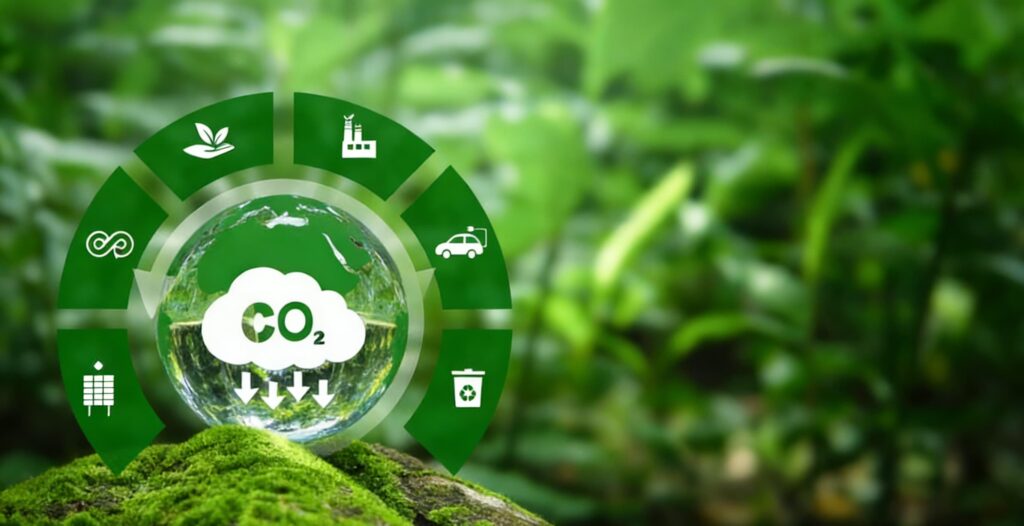
A carbon footprint is the amount of greenhouse gases emitted into the atmosphere as a result of human activities. Every product or service we use carries its own carbon footprint, which includes all emissions associated with its production, transportation, and disposal. The primary sources of carbon emissions are:
-
Direct emissions: For example, from the burning of fossil fuels in vehicles or home heating systems.
-
Indirect emissions: These are emissions related to the production of goods and services we consume, such as the carbon footprint of the food we eat or the goods we buy.
The carbon footprint is calculated based on three key categories:
-
Scope 1 (Direct emissions): Direct emissions from activities like burning fuel in cars or home heating systems.
-
Scope 2 (Indirect emissions): Emissions from electricity and energy usage in homes or workplaces.
-
Scope 3 (Other indirect emissions): Emissions from the production, transport, and disposal of products that we use, such as food, clothing, and electronics.
The carbon footprint of a product, service, or activity is often measured in terms of CO2 equivalents, which are used to capture all types of greenhouse gases in a single metric.
How to Measure Your Carbon Footprint?
While measuring your personal carbon footprint may seem overwhelming, many online calculators can provide you with insights into your emissions. Some popular tools include:
-
UN Carbon Footprint Calculator: A global tool that estimates carbon emissions based on lifestyle choices such as home energy use, transportation habits, and food consumption.
-
US Environmental Protection Agency Carbon Footprint Calculator: Specifically tailored to residents in the United States, this tool calculates the carbon emissions based on home energy, transportation, and waste.
-
The Nature Conservancy: A simpler calculator that allows you to assess carbon emissions from transportation, food, and shopping.
In addition to these calculators, you can also use specialized calculators for activities like flying, driving, and using household appliances to better understand your footprint.
Reducing Your Carbon Footprint in Daily Life
1. Home Carbon Footprint: Practical Tips for Energy Efficiency
9 Ways to Reduce Your Home’s Carbon Footprint:
-
Switch to Energy-Efficient Appliances: When buying new appliances, choose energy-efficient models. Look for those with Energy Star ratings to ensure you’re using less energy for the same amount of output.
-
Lower Heating/Cooling Use: Heating and cooling your home accounts for a large portion of household energy use. By adjusting your thermostat settings—lowering it in winter and raising it in summer—you can save significant energy.
-
Install Solar Panels: Solar panels generate renewable energy, reducing your dependence on grid power and lowering your household’s overall carbon footprint. Xiamen Dashan provides sustainable packaging solutions, which can further complement your eco-friendly home by reducing the environmental impact of food packaging.
-
Use LED Light Bulbs: LED light bulbs consume far less electricity than traditional incandescent bulbs and last much longer, which reduces both energy consumption and waste.
-
Energy-Efficient Windows: By installing energy-efficient windows, homes can retain heat during the winter and cool air during the summer, reducing the need for excessive heating and air conditioning.
Incorporating sustainable products like PLA food containers from Dashan can help minimize waste from food packaging, which often contributes significantly to carbon footprints.

2. Food and Diet Carbon Footprint
The food we eat, especially the meat we consume, has a significant environmental impact. According to the UN’s 2021 report, the global food system accounts for more than 30% of global emissions. The carbon footprint of food varies greatly based on its type, where it is produced, and how it is transported.
9 Ways to Reduce Your Food Carbon Footprint:
-
Reduce Meat Consumption: Meat production is particularly resource-intensive, especially red meat like beef. Reducing meat consumption or opting for plant-based alternatives can dramatically lower your carbon footprint.
-
Choose Locally Grown Foods: Local produce has a smaller carbon footprint because it doesn’t have to travel as far to reach you.
-
Buy Bulk and Use Sustainable Packaging: Purchasing bulk foods or products with minimal packaging can help reduce waste. Xiamen Dashan’s PLA containers are an excellent alternative to plastic packaging and are biodegradable, reducing long-term waste in landfills.
-
Avoid Processed Foods: Processed foods not only require a significant amount of energy and resources to produce but also come with excessive packaging waste.
-
Reduce Food Waste: According to the United Nations, around 1/3 of all food produced globally is wasted. Reducing food waste is crucial to lowering the overall carbon footprint of food systems.
-
Compost Organic Waste: Composting food scraps instead of throwing them away in landfills prevents methane emissions, which are a powerful greenhouse gas.
-
Carry Your Own Containers: Using reusable containers to purchase food or takeout reduces the need for single-use plastic or Styrofoam, which are harmful to the environment.
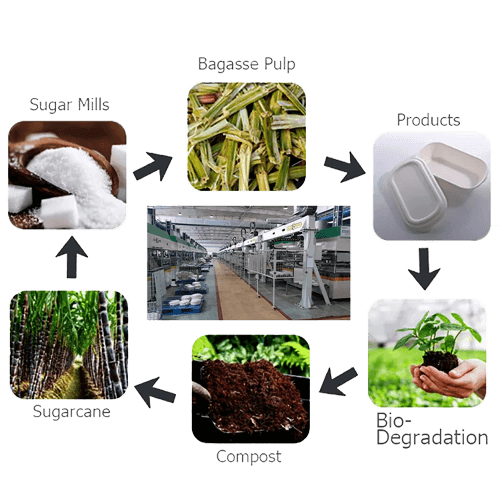
Incorporating products like Xiamen Dashan’s sugarcane bagasse food containers, which are compostable, helps reduce food packaging waste and lowers your carbon footprint.
3. Shopping Carbon Footprint
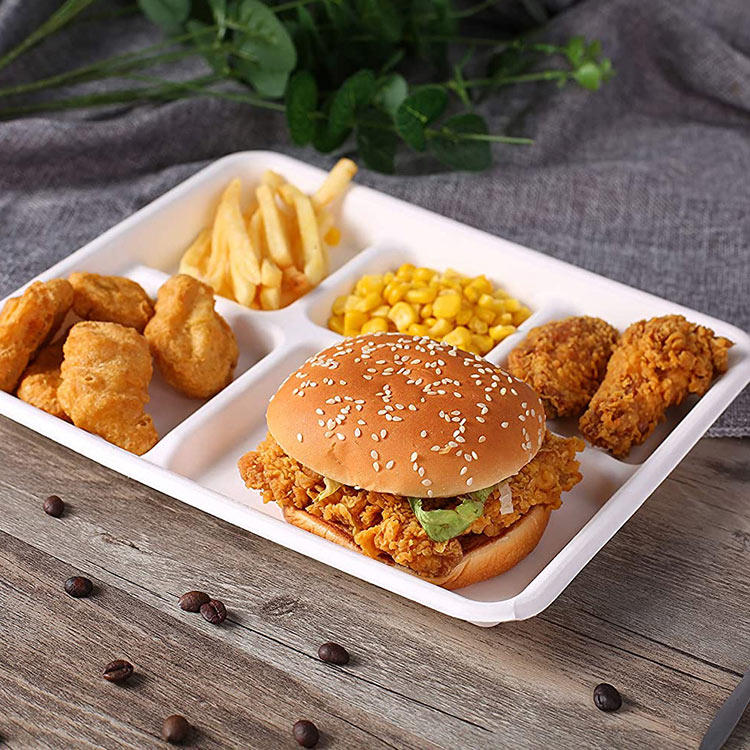
The products we buy, especially the packaging, have a significant carbon footprint. From plastic bags to excess packaging, the act of shopping itself adds to carbon emissions. Here are 6 simple ways to reduce the carbon footprint of your shopping habits:
-
Choose Sustainable Packaging: Opt for products that are packaged in recyclable or compostable materials like PLA or sugarcane bagasse, which are less harmful to the environment than plastic.
-
Support Eco-Friendly Brands: Brands like Xiamen Dashan are committed to producing sustainable packaging solutions, such as RPET and PLA materials, which help minimize waste and reduce environmental impact.
-
Buy Reusable Items: Investing in reusable shopping bags, containers, and bottles reduces the demand for disposable plastic and paper.
-
Minimize Unnecessary Purchases: Avoid buying items you don’t need. The more products we buy, the greater the overall carbon footprint of our shopping habits.
Xiamen Dashan offers eco-friendly products such as PLA cups, RPET containers, and sugarcane packaging that are designed to help businesses and consumers reduce their environmental impact.
4. Transportation Carbon Footprint
Transportation is one of the largest contributors to carbon emissions. Every car, airplane, or train ride adds to the carbon footprint. Below are 7 ways to reduce your transportation emissions:
-
Switch to Electric Vehicles: While electric vehicles (EVs) still rely on electricity, they have a much lower overall carbon footprint than gasoline-powered cars.
-
Use Public Transport: Public transportation systems like buses, trains, and subways are far more energy-efficient than private cars.
-
Carpool or Use Ride-Sharing: Sharing rides with others helps reduce the number of vehicles on the road, which in turn reduces emissions.
-
Walk or Cycle: For short trips, walking or cycling is the most eco-friendly option. It reduces carbon emissions and promotes physical health.
-
Fly Less: Air travel is one of the most carbon-intensive activities. Opting for train travel or video conferencing can significantly reduce your carbon footprint.
By choosing electric vehicles or carpooling, you can reduce your transportation-related emissions.
Conclusion: Small Actions, Big Impact
Reducing our carbon footprint requires conscious effort and lifestyle changes. Simple actions, like using Xiamen Dashan’s sustainable packaging solutions (made from PLA, RPET, and sugarcane bagasse), choosing more sustainable food options, and adopting energy-efficient home practices can collectively make a significant impact. Every small step counts, and as more people and businesses make these changes, we can reduce our collective carbon footprint and work toward a greener planet.
FAQ:
1. What is a carbon footprint?
A carbon footprint refers to the total amount of greenhouse gases, primarily carbon dioxide (CO2), that are emitted directly or indirectly by human activities. These emissions stem from things like energy consumption, transportation, and the production and disposal of goods.
2. How can I calculate my carbon footprint?
You can calculate your carbon footprint using various online calculators, which typically ask for information about your home energy use, transportation habits, and shopping behavior. Tools like the UN Carbon Footprint Calculator, EPA Carbon Footprint Calculator, and the Nature Conservancy’s calculator are great starting points.
3. How can I reduce my home carbon footprint?
To reduce your home carbon footprint, consider using energy-efficient appliances, installing solar panels, reducing heating and cooling needs, and switching to LED light bulbs. Additionally, improving your refrigerator usage habits and using water-saving devices can further reduce emissions.
4. What foods have the highest carbon footprints?
Animal-based products, particularly red meat like beef, have the highest carbon footprints due to methane emissions from livestock. Plant-based foods, locally grown produce, and sustainably sourced fish tend to have a lower environmental impact.
5. How does sustainable packaging help reduce carbon footprints?
Sustainable packaging, such as PLA (polylactic acid), RPET (recycled PET), and sugarcane bagasse, is designed to minimize environmental harm by being compostable, recyclable, or made from renewable resources. By choosing products with minimal or eco-friendly packaging, we reduce waste and energy consumption associated with packaging production.
6. Can switching to an electric vehicle really reduce my carbon footprint?
Yes, switching to an electric vehicle (EV) can significantly lower your carbon footprint compared to traditional gasoline-powered cars, especially if the electricity used to charge the EV comes from renewable sources.
7. How can businesses reduce their carbon footprint?
Businesses can reduce their carbon footprint by adopting sustainable practices like using eco-friendly packaging (such as PLA or RPET), optimizing energy usage, reducing waste, and adopting greener transportation solutions. Partnering with companies like Xiamen Dashan, which offers sustainable food packaging solutions, can be an important step.
References:
-
United Nations Environment Programme (UNEP). (2021). Reducing Carbon Footprints: A Guide to Sustainability. Retrieved from www.unep.org
-
United States Environmental Protection Agency (EPA). (2021). Carbon Footprint Calculator. Retrieved from www.epa.gov
-
The Nature Conservancy. (2020). Understanding Your Carbon Footprint. Retrieved from www.nature.org
-
Intergovernmental Panel on Climate Change (IPCC). (2021). The Special Report on Climate Change and Land. Retrieved from www.ipcc
-
World Resources Institute (WRI). (2021). Food and Emissions: Reducing the Carbon Footprint of the Food System. Retrieved from www.wri.org
-
Xiamen Dashan. (2021). Sustainable Packaging Solutions: PLA, RPET, and Sugarcane Bagasse. Retrieved from www.dashanpacking.com
Copyright Statement
© 2025 Dashan Packing. All rights reserved.
This article is an original work created by the Dashan Packing editorial team.
All text, data, and images are the result of our independent research, industry experience,
and product development insights. Reproduction or redistribution of any part of this content
without written permission is strictly prohibited.
Dashan Packing is committed to providing accurate, evidence-based information and
to upholding transparency, originality, and compliance with global intellectual property standards.